

Probably, yes, for most healthy adults who drink it in moderation. Large observational studies that follow people over many years have repeatedly linked regular coffee drinking, usually around two to four cups a day, with a lower risk of dying early, though that’s an association, not proof that the coffee itself is doing the work. People who drink coffee may also differ in diet, income, sleep, and a dozen other habits that researchers can only partly account for.
So the useful question isn’t a yes or no. It’s how to read the evidence sensibly and build a coffee routine that fits it. That takes about ten minutes of reading and a few small tweaks to what you already do. No special gear required, just a willingness to separate what the research can show from what it can’t.
Here’s what we’ll cover: how to tell a strong study from a flimsy headline, what the longevity research generally points to, who should be cautious (pregnancy, sleep trouble, certain heart and anxiety conditions), and how to brew a cup at home that’s worth drinking whether or not it adds years. Plain, black or lightly dressed coffee tends to be the version these studies are most relevant to, so sugar-heavy café drinks are a different conversation.
Think of it as tasting with a clear head. Enjoy the cup, respect the limits of the science, and let the evidence guide the routine without running it.
What You Need Before You Dig In: Your Research Toolkit and Coffee Setup

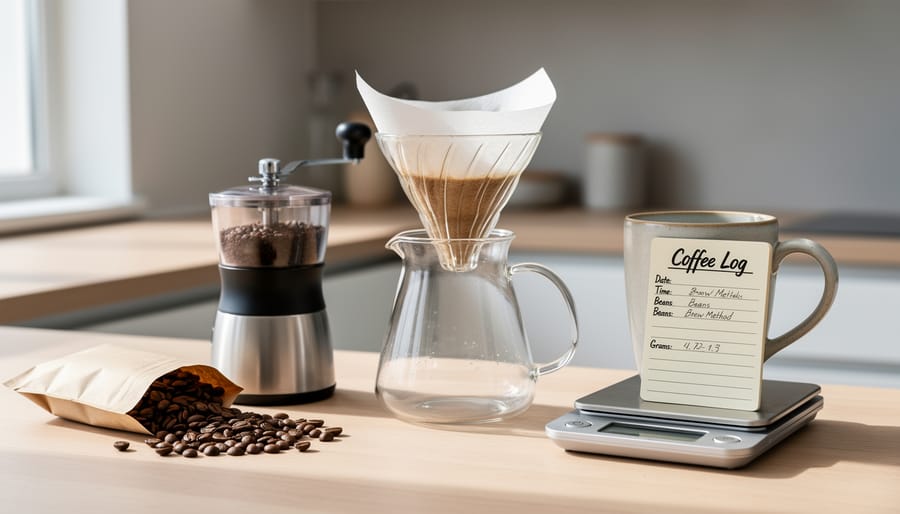
Before you start sorting through coffee studies, it helps to gather a few simple things. Think of it as setting up your bar before a busy morning rush: the prep makes everything smoother.
Here’s your checklist:
- Reliable sources: peer-reviewed journals, major health institutions, and study summaries from reputable outlets.
- A simple tracking note, on paper or your phone, for cups per day, brew method, add-ins, and timing.
- A brewing setup you enjoy and can repeat, whether that’s a drip machine, French press, pour-over, or espresso.
- A scale or scoop, plus a way to measure your cup size, so your servings stay consistent.
Let’s unpack the research side first. Peer-reviewed simply means other experts checked the work before it was published. You’ll also run into two kinds of studies. Observational studies watch what people already do, like drinking coffee, and look for patterns in health outcomes. Controlled studies assign people to different habits and compare the results. Observational work can reveal interesting links, but it can’t prove that coffee itself caused anything. Keep that distinction in your back pocket.
On the coffee side, freshly brewed beats something that’s been sitting on a warmer for hours, and a method you genuinely love is one you’ll stick with. If you’re still shopping for gear, this guide can help you choose a coffee maker that fits your routine.
One insider tip: weigh your grounds instead of eyeballing them. A scale takes the guesswork out, and it makes your log far more meaningful. If you write “two cups, 20 grams per cup,” you can actually compare one week to the next.
Before You Start: Who Should Be Cautious With Coffee and Longevity Claims
Coffee is a lovely daily ritual, but “linked to a longer life” doesn’t mean “right for everyone.” Before you build a routine around the research, it’s worth knowing who should be a little more careful.
Check with a doctor, or at least dial back your intake, if any of these apply to you:
– You’re pregnant or trying to conceive, since caffeine limits are commonly discussed in that context.
– You have a heart rhythm issue or high blood pressure.
– You deal with anxiety, or coffee leaves you wired rather than energized.
– Your sleep is already shaky.
– You get reflux or an unhappy stomach after a cup.
– You take medications that interact with caffeine. Your pharmacist can usually tell you quickly.
Caffeine tolerance varies a lot from person to person. Your friend’s three-cup morning might be your limit at one, and both are perfectly normal. Decaf drinkers, you’re part of this conversation too, and plenty of people happily stick with it.
A few ground rules keep things sensible. Don’t start drinking coffee purely for health reasons. If you don’t enjoy it, nothing in the research says you should force it down. Watch the extras too. Piling on sugar, syrups, and heavy cream can turn a simple cup into something quite different from what the studies looked at. And remember that no single food or drink is a longevity cure.
Everything here is general guidance, not medical advice. Your own doctor knows your health history best.
Step by Step: How to Weigh the Evidence on Coffee and a Longer Life
Steps 1-3: Understand the Question and the Limits of the Studies
Before you reach for any health claim about your morning cup, it helps to know what the research is really asking. Here are the first three steps.
- Define “live longer.” Studies rarely promise extra birthdays. They track risk of death over a set period, comparing groups of coffee drinkers with non-drinkers over many years.
- See what large population studies report. Many large observational studies link moderate coffee drinking with a lower risk of dying early. Note the word “link.”
- Check what they can’t prove. These studies show association, not cause. They can’t tell you coffee itself did the work.
Think of observational research like watching a crowded café from the window. You can see who orders what and who tends to leave happier, but you can’t be sure the drink caused the mood. Maybe those folks were already cheerful.
That’s the heart of the limitation. People who drink coffee differ from people who don’t in plenty of ways. Their diets, exercise habits, sleep, income, and smoking history can all vary, and researchers call these confounders. Smoking is a classic one, since heavy coffee drinkers have historically been more likely to smoke too. Good studies try to adjust for these factors statistically, which makes their findings more trustworthy, yet no adjustment is perfect.
So hold the headline loosely. A promising pattern across many large studies is worth taking seriously, but it isn’t a guarantee. Keeping that perspective makes the rest of the steps much easier to weigh.
Steps 4-5: Look at What’s in Your Cup and the Decaf Question
Step 4: Get to know what’s actually in your cup. Coffee is far more than caffeine and hot water. It contains hundreds of naturally occurring compounds, including antioxidants and polyphenols (plant chemicals that also show up in tea, berries, and dark chocolate). Scientists study these because they might help explain why coffee drinkers sometimes show better health outcomes in large population studies. Notice the word “might.” Researchers propose these compounds as possible explanations, but nobody has confirmed exactly how, or whether, they affect lifespan. Caffeine gets studied too, since it affects alertness, heart rate, and blood pressure in ways that vary a lot from person to person.
Step 5: Ask the decaf question. If caffeine were the whole story, decaf drinkers would be left out of the benefits. Research hasn’t quite painted it that way. Several large studies and reviews have generally found similar associations for both regular and decaf coffee, which hints that other compounds in the bean may matter too. The evidence on decaf is thinner than for regular coffee, so treat that as a promising pattern, not a settled fact.
So if caffeine gives you jitters or wrecks your sleep, your decaf pour-over is still very much part of the conversation.
Steps 6-7: Factor In How You Drink It and Find Your Sweet Spot
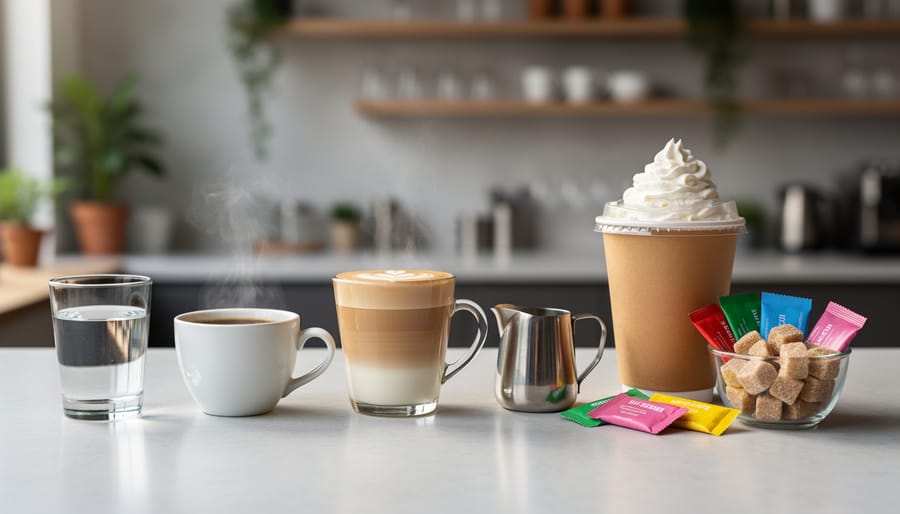
Step 6 is about what goes into the cup besides coffee. Studies on coffee and health often can’t separate the beans from the add-ins, and a drink loaded with sugar, flavored syrup, or heavy cream is simply a different beverage than a black or lightly dressed cup. If the habit you’re trying to build is longevity-friendly, keep those extras modest and let the coffee do the talking.
Brew method comes up in health discussions too. Paper-filtered coffee traps some of the oily compounds that pass through in unfiltered styles like French press, and researchers sometimes treat the two differently. The evidence here isn’t settled, so choose the method you actually enjoy rather than switching out of worry.
Step 7 is finding your sweet spot, meaning a moderate amount that feels good to you. That varies by person, so pay attention to your sleep and energy rather than chasing a magic number.
If you want more flavor without sweeteners, dial in your grind size first. Bitter and harsh usually means too fine, while sour and thin points to too coarse. Water just off the boil, around 195 to 205°F, extracts well, and trying a medium or lighter roast can bring out natural sweetness you didn’t know your beans had.
How to Brew a Longevity-Friendly Cup at Home
Building a longevity-friendly cup at home is less about perfection and more about a routine you’ll actually enjoy. Start with good beans. Fresh, quality coffee tastes better, and better-tasting coffee means you’re less tempted to mask it with sugar and syrup. Buy whole beans if you can, grind just before brewing, and measure with a scale or scoop so every cup lands consistently.
Then pick a method you love. Pour-over fans get clarity and a clean finish. Espresso lovers get a concentrated, rich shot. If you like it chilled, a cold brew low-acid batch is gentle on the palate and easy to make ahead. None of these is the “healthy” choice by default. The best one is the one you’ll make with care.
Here are a few quick-hit habits worth building into your day:
- Choose any brew method you enjoy: pour-over, French press, espresso, or cold brew.
- Keep your cup size moderate, and stop when you’ve had enough.
- Have your last cup well before bedtime so sleep doesn’t pay the price.
- Go lighter on add-ins by dialing in flavor through grind size, water temperature, and roast level.
- Drink a glass of water alongside your coffee to stay hydrated.
Brew only what you’ll drink, since fresh tastes best. If a cup does go cold, you can reheat coffee gently without wrecking the flavor, though a fresh pour usually wins.
Finally, think about what’s on your plate. Coffee sits best alongside balanced meals rather than replacing them. If you lean toward chilled drinks, here’s a tip on how to pair iced coffee with food so the cup complements your meal instead of competing with it. A thoughtful routine like this keeps coffee a pleasure, which is the whole point.
Checking Your Progress and Where to Go Next
Once you’ve been sipping thoughtfully for a couple of weeks, open your coffee log and look for patterns. Did that afternoon cup leave you wired at bedtime? Does a second mug sit fine on a full stomach but irritate you on an empty one? Notice sleep, mood, and digestion, then adjust. Maybe that means shifting your last cup earlier, switching to decaf after lunch, or trimming a cup you drink out of habit rather than enjoyment.
If you’re experimenting with new brewing methods, it’s also worth checking what they actually cost you. For example, if cold brew is on your radar, the Takeya cold brew cost is a handy reference point before you buy.
Beyond your own log, keep an eye on new research from trustworthy sources, since the picture keeps evolving. Talk with your doctor about your personal health goals, especially if you have any of the cautions we covered earlier. And remember that sleep, movement, balanced meals, and not smoking all carry serious weight for long-term health. Success here isn’t a promise of extra years. It’s a coffee routine that genuinely feels good.
Coffee and Longevity: Your Questions Answered
How many cups a day is considered moderate?
Many health guidelines treat roughly three to four cups of brewed coffee a day as a moderate amount for most healthy adults. Your own tolerance matters more than any number, so if you feel jittery or sleep poorly, scale back.
Does decaf count?
Decaf is part of the research conversation too, and some studies have found similar associations for it. The evidence is less extensive than for regular coffee, so enjoy it without expecting guarantees.
Should I start drinking coffee for my health?
No. If you don’t already enjoy coffee, there’s no good reason to start, and it can’t stand in for exercise, sleep, or a balanced diet.
Whatever you choose, the best cup is one that fits your body and your routine. Treat these answers as friendly guideposts, then check in with your doctor if you have specific health concerns.
So, does coffee make you live longer? The honest answer is that it may be a pleasant companion to a long, healthy life, but it isn’t a magic elixir. The research points to an association, not a guarantee, and your sleep, movement, meals, and overall habits carry plenty of weight too.
So brew the cup you genuinely love, keep it moderate, and take your time with it. Notice the aroma, the first sip, the small ritual of the morning. Keep exploring, keep tasting, and keep trying new beans and methods. For more brewing guides and recipes, stick around Adbeus Coffee Corner.