
A zero sugar energy drink is a caffeinated beverage sweetened with non-sugar sweeteners instead of sugar, so you get the stimulant kick without the calories or the sugar crash. Whether that makes it “bad” depends mostly on the caffeine, not the missing sugar. The standard guidance puts the maximum safe daily amount of caffeine for adults at 400 mg, and a single can plus a couple of coffees can climb toward that number faster than most of us expect.
The question is trending for a reason. A review of more than 28,000 adverse-event reports submitted to the FDA between 2017 and 2025 linked caffeinated energy drinks and stimulant supplements to serious heart conditions far more often than other products, with higher reporting of cardiac arrest and heart attack among adults aged 18 to 34. That’s the same age bracket many of us fall into, so it’s worth a calm, clear look.
Here’s what we’ll cover: what’s actually in the can, how the caffeine and sweeteners work, and how your cans stack up against your daily cup. Insider tip: if you’re a coffee drinker, add up everything you sip in a day, including that mug you forgot on the counter and decided to reheat coffee properly an hour later. It all counts toward the same 400 mg ceiling.
What “Zero Sugar” Really Means on an Energy Drink Label
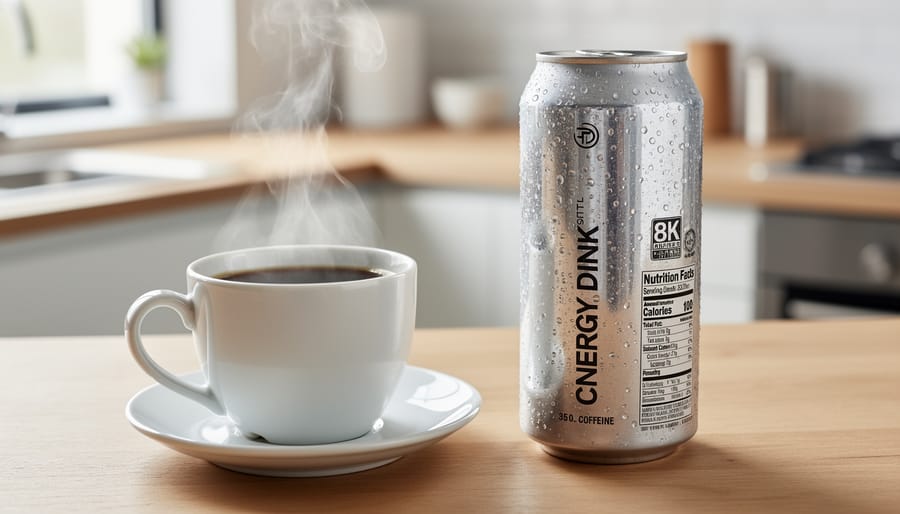
A zero sugar energy drink is a caffeinated drink sweetened without sugar, usually with non-sugar sweeteners instead. The phrase “zero sugar” is a promise about one thing only: how much sugar is in the can. It says nothing about caffeine, stimulants, or whether the drink is healthy for you.
That distinction matters, because the front of the can is marketing and the back of the can is information. Here’s a quick glossary so you can read both:
- Zero sugar
- The drink contains no (or a negligible amount of) sugar per serving. It doesn’t mean the drink is free of calories, caffeine, or other additives.
- Non-sugar sweetener
- An ingredient that adds sweetness without the sugar, which is how these drinks still taste sweet.
- Stimulant blend
- A mix of energy-boosting ingredients listed together, often alongside caffeine. Check the ingredient panel to see what’s actually in it.
- Caffeine content
- The amount of caffeine in the drink. Many energy drink companies already list it, but the FDA doesn’t require disclosure unless caffeine is added as a standalone ingredient.
- Serving size
- The portion that the label’s numbers describe. A big can can hold more than one serving, so double-check.
So why is the category booming? It overlaps neatly with coffee culture. Plenty of us want a caffeine hit without the calories, and a cold, sweet, sugar-free can scratches that itch when a hot brew isn’t practical.
Insider tip: treat “zero sugar” as the start of your label check, not the end of it. A drink can be free of sugar and still be loaded with caffeine, and whether it’s “good for you” is a separate question entirely.
How a Zero Sugar Energy Drink Works in Your Body
The Caffeine Kick, Step by Step
You take that first sip, and nothing happens right away. Caffeine needs a little time to travel from your stomach into your bloodstream, which is why a cold can doesn’t hit the second it touches your tongue.
Within a short while, it reaches your brain and starts blocking adenosine, the chemical that quietly builds up and tells you you’re tired. With those signals muted, you feel sharper and more awake. It’s the same chemistry behind the biology of coffee so the buzz probably feels familiar.
Then comes the peak, that focused, switched-on stretch most of us chase. Eventually the caffeine fades and the adenosine floods back in, so the tiredness can feel heavier than before. That’s the wear-off, and it’s why many people reach for a second serving. If you do, keep an eye on your total for the day.
Where the Sweetness Comes From
So where does the sweetness come from if there’s no sugar? Zero sugar drinks typically lean on one of two families of sweeteners. The first is artificial sweeteners, which are made in a lab and taste intensely sweet, so a tiny amount does the work of a lot of sugar. The second is plant-derived sweeteners, which are extracted or refined from natural sources and are often marketed as a gentler alternative. Plenty of cans blend both to get the flavor just right.
What they all have in common is the job: they deliver that sweet taste without the sugar calories. Some drinks also use a mix to smooth out any lingering aftertaste, which is why one brand can taste noticeably different from another.
Here’s a tip from the coffee world: if you’ve ever swapped sugar for a sweetener in your latte, you already know how different each one tastes. Check the ingredient list to see which kind your favorite can uses.
What’s Actually in the Can: Common Ingredients Explained
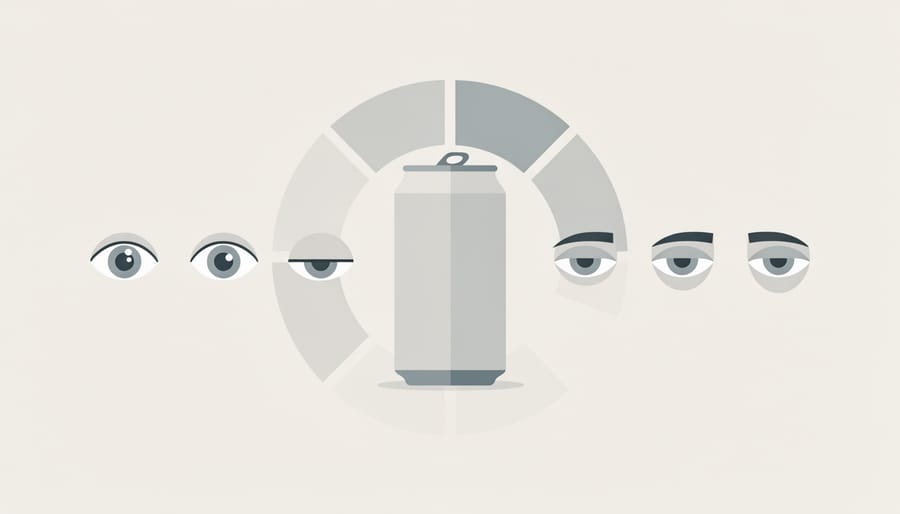
Crack open a zero sugar energy drink and flip it around. That little ingredient panel is where the real story lives, and it’s worth knowing what you’re looking at. Here’s a walk through the usual suspects.
Caffeine is the headliner. It’s the ingredient that actually makes you feel alert. Some brands list the amount clearly, which helps, since the FDA doesn’t currently require caffeine to be disclosed unless it’s added as a standalone ingredient.
Non-sugar sweeteners replace the sugar. They deliver sweetness without the calories, and the exact type depends on the brand.
Amino acids and herbal extracts are the “energy blend” ingredients you’ll often see on the front of the can. They’re there mostly for marketing appeal and flavor, and what they contribute varies from formula to formula.
B-vitamins are added because they play a role in how your body processes energy from food. They sound impressive on a label, but they aren’t a substitute for the caffeine doing the heavy lifting.
Acids and preservatives keep the drink tart, fresh, and shelf-stable. Think of them as the behind-the-scenes crew that keeps your can tasting the same in week one as in week twelve.
Flavorings round everything out, whether that’s citrus, berry, or something more dessert-like.
Here’s the important part: these blends vary widely by brand. Two cans that both say “zero sugar” can have very different caffeine levels, sweetener choices, and extras. That’s why the front-of-can claim only tells you so much.
Insider tip: treat the label like a coffee bag. You’d check the roast and origin before brewing, so check the caffeine amount and ingredient list before sipping. The more you know about what’s in the can, the easier it is to fit it into your day without any surprises.
What the Latest Research Says About Caffeine and Your Heart
Reading a Preliminary Finding Wisely
Two phrases from the research deserve a quick decoder. “Preliminary” means the findings come from a research abstract, which hasn’t yet been published as a full manuscript in a peer-reviewed journal. In other words, other experts haven’t finished kicking the tires. “Adverse-event reports” are submissions to the FDA describing something that happened to a person after using a product. They flag patterns worth investigating, but they show association, not proof that the drink caused the problem.
So what do you do with that? Hold two thoughts at once. Don’t panic, because a preliminary finding isn’t a verdict. Don’t shrug it off either, because a signal among adults aged 18 to 34 is worth taking seriously.
Here’s my insider tip for any health headline: ask three questions. Is it published or just presented? What kind of data is it? And what does it actually claim, not just what the headline implies?
Caffeine Math: How Much Is Too Much?
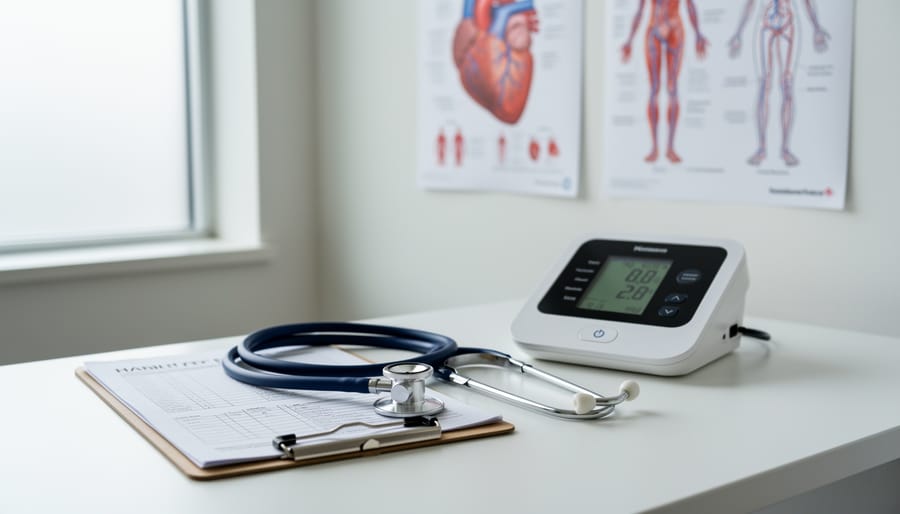
So, how much caffeine is too much? For healthy adults, the commonly cited ceiling is 400 mg safe limit per day. That number is a total, not a per-drink allowance, and that’s where people trip up. Your morning pour-over, an afternoon iced tea, and a cold can at 3 p.m. all count toward the same budget.
Here’s the tricky part: the label may not help you as much as you’d expect. Under current FDA disclosure requirements companies don’t have to list caffeine unless it’s added as a standalone ingredient. That said, many energy drink makers already share the amount, and the American Beverage Association agreed to voluntarily and completely display the total quantity of caffeine in each beverage it sells. In other words, more clarity is on the way, but it’s partly voluntary, so it’s worth checking rather than assuming.
Tracking your intake doesn’t need to be complicated. Try this simple routine:
– Tally everything: coffee, tea, energy drinks, and anything else you sip with a buzz.
– Read the can or bottle for the stated caffeine amount when it’s listed.
– Remember that homemade coffee varies by bean, brew method, and cup size, so treat your estimate as a ballpark, not a lab result.
– Keep a running total through the day instead of judging each drink on its own.
Insider tip: check the can for the caffeine amount and add it to your morning brew tally. If you already had a big mug at breakfast, that zero sugar can after lunch might push you closer to the line than you realize. A quick note on your phone is all it takes.
One more reason to be mindful: a review of adverse-event reports flagged caffeine and stimulant products, but it’s a preliminary research abstract, so it’s a reason for awareness, not alarm. Knowing your daily total is the easiest way to stay comfortable and in control.
Zero Sugar Energy Drinks vs. Your Daily Coffee
Here’s the thing about the coffee-versus-energy-drink debate: it’s less of a rivalry than it looks. Both are delivery systems for caffeine, and the differences come down to disclosure, extras, and habits. Coffee is usually sipped slowly, often hot, while an energy drink tends to get downed cold and fast. Nobody’s preference is wrong here.
One real difference is labeling. The FDA doesn’t currently require caffeine to be disclosed unless it’s added as a standalone ingredient, though many energy drink companies already list it voluntarily. With a home brew, you’re mostly estimating. That makes tracking your total trickier than it sounds.
If you want sugar-free energy without the can, black coffee, cold brew, and unsweetened iced coffee all do the job. When you make smooth cold brew at home, you control the strength and skip the sweeteners entirely. Short on time? Learn how to choose canned cold brew and read the label for the caffeine amount first.
Coffee has its own upsides too, and if you’re curious about coffee longevity benefits that’s worth a read. But neither choice is automatically safe or risky. Keeping total intake under the 400 mg adult daily maximum matters more than which vessel it comes in.
An insider tip: whichever you pick, a few habits go a long way.
- Check the labeled caffeine amount before you drink.
- Track your daily total across coffee, tea, and energy drinks.
- Space out servings instead of stacking them back to back.
- Pay attention to your own sensitivity, since it varies a lot.
- Talk to a doctor if you have heart concerns.
Honestly, this is a topic where a cardiologist’s or caffeine researcher’s perspective would add real value, and we’d love to bring one in.
Zero Sugar Energy Drinks: Your Questions Answered
Got questions? You’re not alone. These are the ones coffee lovers ask most when they’re eyeing a cold can instead of their usual cup.
Are zero sugar energy drinks bad for you?
The sugar-free label doesn’t settle it, because sugar was never the whole story. The bigger conversation is about caffeine and stimulant intake, plus preliminary findings linking caffeinated energy drinks and stimulant supplements to heart-related adverse-event reports. Those findings are early and show an association, not proof of cause and effect.
How much caffeine is too much?
The maximum safe daily amount of caffeine for adults is 400 mg. That total includes everything you drink, so your morning brew, afternoon tea, and any energy drink all count toward it.
What sweeteners are used in sugar-free drinks?
Most use a mix of artificial sweeteners and plant-derived options, though the exact blend varies from brand to brand. The ingredient list on the can will tell you what’s in yours.
Are artificial sweeteners safe?
They’re widely used, and research on them is ongoing, so there’s no need for alarm. Individual tolerance differs, though, so if you have a health condition or just feel off after drinking them, it’s worth checking in with a healthcare professional.
If one theme runs through all four answers, it’s that the label on the front of the can only tells part of the story. Flip it around, check the caffeine amount, and keep a running tally across your day. That small habit does more for you than any single headline will.
So, are zero sugar energy drinks bad for you? The honest answer is a bit of a shrug with some good sense attached. Cutting the sugar solves one problem, but it doesn’t touch the caffeine question, and caffeine is where the real conversation lives.
The heart-related findings are preliminary, and adverse-event reports show associations, not proof of cause and effect. Still, they’re worth respecting, especially if you’re between 18 and 34. The smartest move is simple: know your total caffeine for the day (the adult maximum is 400 mg), read the label, and listen to your body. If your hands shake or your heart flutters, that’s your cue to ease off.
Now I’m curious: how do you get your energy fix? A cold can, a strong pour-over, an unsweetened iced coffee? Tell us in the comments, and keep exploring the site for more caffeine-smart brewing tips.