
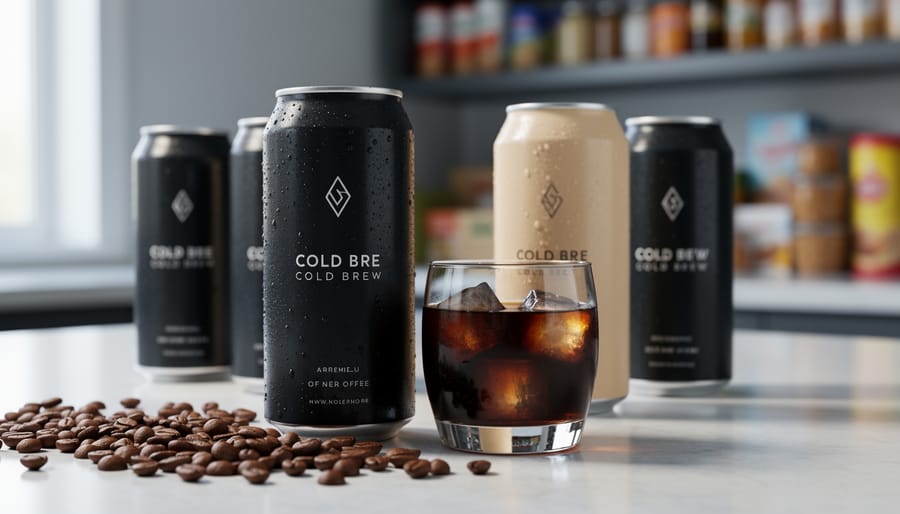
The canned cold brew market has exploded into a multi-tier landscape where you’ll find everything from $0.83-per-can grocery store options like Trader Joe’s to premium craft brands commanding $3.50 or more per serving. The best choice for you depends on three factors: caffeine needs (anywhere from moderate 100mg servings to ultra-high 320mg shots like Bare Brew), flavor profile preferences (black concentrate versus ready-to-drink lattes), and whether convenience justifies the 3-5x markup over home brewing.
Right now, shoppers face a genuinely confusing array. Wandering Bear sells 8-ounce latte cans in 12-packs for $39.99 online, while Classico Cold Brew runs $41.50 for a dozen. These aren’t just different prices for the same product. Package sizes vary wildly (8oz, 10oz, 12oz), caffeine content spans a massive range, and ingredient lists run from two-ingredient purist blends to sweetened, dairy-forward lattes with a dozen components.
The typical buying mistake? Grabbing whatever looks appealing at the checkout line without checking the per-ounce cost or caffeine content. A 12-ounce can with 320mg of caffeine delivers completely different value than an 8-ounce latte with half that punch, even if the shelf prices look similar.
I’ve spent years covering the specialty coffee industry and talking to roasters who’ve moved into canned products, and the quality gap between brands is real. Some producers prioritize smooth, low-acid profiles through extended steeping times and quality beans. Others focus on maximum caffeine extraction or shelf stability, sometimes at the expense of nuanced flavor. Understanding what you’re actually paying for makes all the difference.
What Makes Canned Cold Brew Different
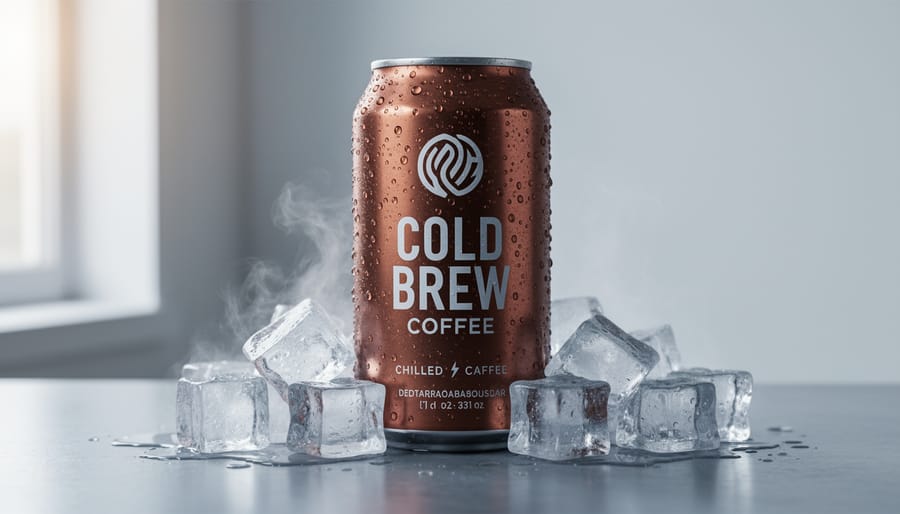
Canned cold brew stands apart from your average iced coffee in ways that matter to both your taste buds and your morning routine. When you make cold brew at home, you’re steeping coarse grounds in cold water for 12-24 hours to extract a smooth, low-acid concentrate. Canned versions use this same extended cold-steep method, then seal the finished product under pressure to lock in freshness without heat pasteurization that can alter flavor. Regular iced coffee, by contrast, is simply hot-brewed coffee poured over ice, which creates a completely different taste profile with more acidity and potential bitterness.
The can format itself solves problems that glass bottles and homemade batches can’t match. Aluminum blocks light and oxygen better than clear or tinted glass, which means the cold brew inside maintains its flavor longer. According to cold brew shelf-life research properly sealed cold brew can remain stable for weeks or even months when protected from light and air, and cans deliver that protection more effectively than most other packaging. You’ll find shelf-stable canned options that don’t require refrigeration until opened, while homemade cold brew typically lasts just five to seven days in your fridge.
Here’s the catch: not all cans are created equal. Some brands use concentrate that they dilute before canning, while others seal ready-to-drink brew straight from the steeping vessel. The brew method and concentration ratio dramatically affect strength and flavor, but many labels don’t spell this out clearly. An insider tip is to look for language like “cold-steeped” or “slow-brewed” rather than vague terms like “cold coffee beverage,” which might indicate a shortcut brewing process or added water that dilutes quality. The ingredient list tells the real story: water and coffee means you’re getting the genuine article, while a long list of additives suggests something closer to a coffee-flavored drink than true cold brew.
Types of Canned Cold Brew to Know
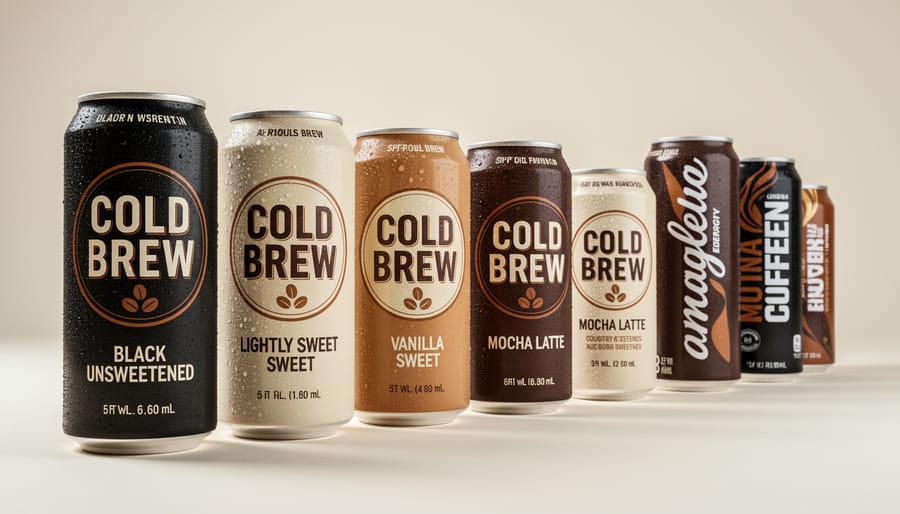
The canned cold brew market breaks down into four main categories, each designed for different tastes and needs. Understanding these types helps you skip the trial-and-error phase and zero in on what works for you.
Straight Black Cold Brew is the purest option, just coffee and water, nothing else. These cans deliver bold, concentrated flavor with a smooth finish that lacks the acidity of hot-brewed coffee. If you drink your coffee black or prefer adding your own milk and sweetener, this is your starting point. Caffeine levels vary widely, from moderate options around 150mg to powerhouse cans like Bare Brew’s 12oz offering with 320mg, more than double a standard cup of hot coffee. The taste profile tends toward chocolate and nutty notes, with minimal bitterness. These are ideal for coffee purists who want maximum control over their drink.
Cold Brew Lattes combine cold brew concentrate with milk or alternative dairy, creating a ready-to-drink option that’s smoother and creamier than black cold brew. Wandering Bear’s Cold Brew Latte lineup exemplifies this category, convenient grab-and-go options that taste like what you’d order at a coffee shop. Expect lower caffeine content than straight cold brew (typically 100-180mg per can) since the milk dilutes the coffee. These work well if you normally add cream to your coffee or want something less intense than straight cold brew. The milk also adds calories, so check nutrition labels if that matters to you.
Sweetened Varieties range from lightly sweetened to dessert-like. Some brands add cane sugar, while others use zero-calorie sweeteners. Sugar content is the critical factor here, some sweetened options pack 20+ grams of sugar, while others like Trader Joe’s cold brew can deliver flavor at just 10 calories for the entire can. If you typically reach for flavored coffee drinks, these offer convenience without a coffee shop trip. Just know that sweetened versions can mask lower-quality coffee, so ingredient lists matter more in this category.
High-Caffeine Options are engineered for maximum energy, often packing 200-350mg of caffeine per can. These appeal to people replacing energy drinks or needing serious morning fuel. The trade-off? They can taste harsher if the brand prioritizes caffeine over flavor balance. Look for options that achieve high caffeine through concentrated brewing rather than added caffeine powder, the taste difference is noticeable.
| Type | Typical Caffeine Range | Best For | What to Look For |
|---|---|---|---|
| Black Cold Brew | 150-320mg (e.g., Bare Brew at 320mg/12oz) | Coffee purists, customizers | Short ingredient lists, high-quality beans |
| Cold Brew Lattes | 100-180mg (e.g., Wandering Bear) | Convenience seekers, cream drinkers | Real dairy or quality alternatives, balanced sweetness |
| Sweetened Options | Varies widely | Flavored coffee fans | Sugar content, natural vs. artificial sweeteners |
| Budget-Friendly Picks | Varies (Trader Joe’s: 10 cal/can) | Daily drinkers, cost-conscious buyers | Price per can, ingredient quality despite lower cost |
Most people find their preference falls clearly into one category once they try a few options. Start with the type that matches your current coffee habits, if you drink black coffee, try straight cold brew; if you order lattes, go for the dairy-based options. The caffeine content should match your tolerance and timing needs, not just the highest number on the shelf.
Key Factors When Choosing Your Can
Caffeine Content and Energy Needs
Different canned cold brews pack wildly different caffeine punches, so understanding what you’re getting is crucial before you commit to a favorite. Some cans deliver a gentle lift, while others are rocket fuel in aluminum, Bare Brew’s 12oz can, for instance, contains 320mg of caffeine, roughly the equivalent of three standard cups of drip coffee. If you’re sensitive to caffeine or drink cold brew in the afternoon, grabbing the wrong can could leave you wired past midnight.
Start by checking the caffeine and nutrition label on the back of the can before you buy. Many brands list caffeine content prominently now, but serving size matters just as much as the number itself. A 12oz can that lists 200mg of caffeine is straightforward, but an 8oz can with the same amount delivers a more concentrated dose per ounce. If a brand doesn’t disclose caffeine content at all, that’s usually a red flag, you deserve to know what you’re putting in your body.
Think about when and why you’re drinking cold brew. Morning commuters who need a strong kickstart might thrive on higher-caffeine options, while casual sippers looking for flavor over intensity should seek gentler alternatives. Your personal tolerance, shaped by the biology of coffee metabolism, will guide this choice more than any generic recommendation. Don’t assume all cans are created equal, read the label, know your limits, and choose accordingly.
Ingredient Quality and Simplicity
The simplest ingredient lists often signal the best canned cold brew. Take Bare Brew as your benchmark: their product contains just two ingredients, which is about as clean as you can get in the category. When you’re evaluating cans, flip them over and scan the ingredient panel before anything else. Water and coffee should be the first things you see, and ideally the only things.
Sugar content varies dramatically across brands, and it’s worth paying attention to the numbers. Trader Joe’s offers a genuinely low-calorie option at just 10 calories per can, while Bare Brew takes it further with zero sugar entirely. If you prefer your cold brew black, these ultra-low or zero-sugar options let the coffee’s natural flavor come through without sweetness masking quality issues. Sweetened varieties can hit 20 grams of sugar or more per serving, which is fine if that’s your preference, but check whether you’re getting cane sugar or artificial sweeteners.
Additives are where things get murky. Some brands add natural flavors, which sounds harmless but can mean almost anything legally. Others include preservatives to extend shelf life beyond what cold brew’s natural acidity already provides. If you see coffee creamer dairy ingredients, or emulsifiers, you’re looking at a latte-style product rather than straight cold brew, which changes the equation entirely. A clean label doesn’t guarantee great taste, but it does mean the coffee has nowhere to hide.
Price Point and Value
Canned cold brew pricing varies widely depending on brand positioning, ingredients, and packaging. Understanding the market’s price tiers helps you decide where to invest your coffee budget. Premium single-origin cans can cost three to four times more than mass-market options, but higher prices don’t always guarantee better taste or quality.
Looking at current market examples, Wandering Bear’s Cold Brew Latte runs $39.99 for a 12-pack of 8-ounce cans, while Classico Cold Brew costs $41.50 for 12 cans. These premium-tier products typically emphasize specialty beans, direct-sourcing relationships, or unique flavor profiles. At the budget end, Trader Joe’s offers canned cold brew for $9.99, delivering a no-frills option with just 10 calories per can. The spread between these price points reflects differences in sourcing, brewing methods, and brand overhead rather than a linear quality scale.
Premium pricing often delivers cleaner ingredient lists, higher caffeine concentrations, and more distinctive flavor characteristics. When you’re comparing cold brew pricing across brands, focus on what you’re actually getting: ingredient quality, caffeine content per ounce, and whether added flavors or sweeteners align with your preferences. A $40 twelve-pack might offer organic beans and 300mg+ caffeine per can, while a budget option could deliver acceptable taste with generic beans and moderate caffeine.
The smartest approach is buying single cans or small multipacks first. Taste and caffeine response vary person-to-person, so committing to bulk purchases before testing means you might end up with a shelf full of cans you won’t finish. Try products across different price points to find your sweet spot between cost and satisfaction.
Can Size and Portability
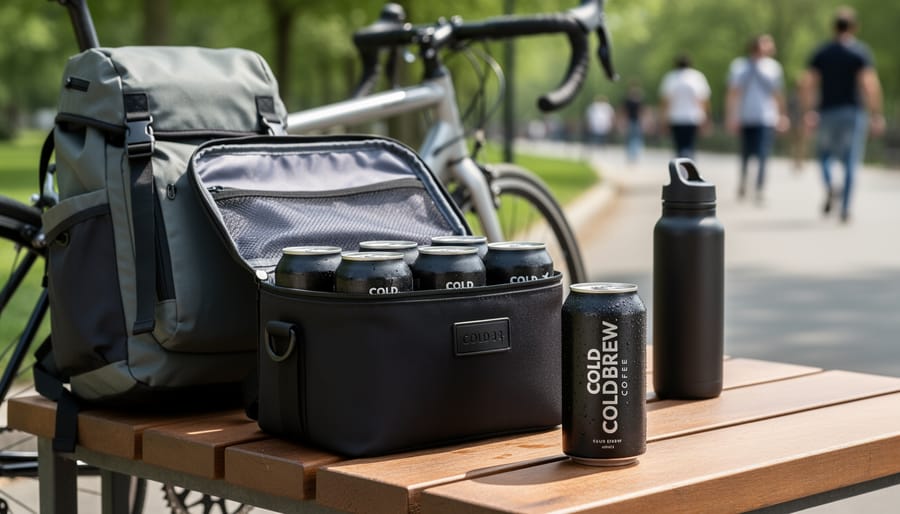
Canned cold brew typically comes in 8oz and 12oz formats, each designed for different drinking occasions and caffeine needs. The smaller 8oz cans work well for a mid-afternoon pick-me-up or when you want a quick caffeine boost without committing to a full serving. Wandering Bear’s 8oz lattes fit this model, offering portability for desk drawers or gym bags. The 12oz format has become the standard for straight black cold brew, like Bare Brew’s 320mg option, giving you a full coffee experience comparable to what you’d pour from a cold brew maker at home.
Your choice should match your daily routine. If you’re replacing morning coffee, a 12oz can delivers the volume and caffeine you’re used to. For on-the-go situations, commutes, travel, outdoor activities, both sizes work, but 8oz cans fit more easily in bags and cup holders. Consider your caffeine tolerance too: pairing can size with caffeine content prevents either under-caffeinating (leaving you sluggish) or over-caffeinating (causing jitters). Check the label for total caffeine per can, not just concentration, since a smaller can might still pack a substantial dose.
Flavor Profile Preferences
Your flavor preferences matter more than marketing promises. Most canned cold brews fall into three camps: bold and strong, smooth and mellow, or sweetened and flavored.
Bold varieties deliver concentrated coffee flavor up front. They work well black or with a splash of milk, and pair naturally with breakfast or mid-morning routines. Smooth profiles feel lighter on the palate, with less bite and a rounder finish that many prefer for afternoon drinking. Flavored options add vanilla, mocha, or seasonal notes, though these typically come with added sugar.
Insider tip: Brew time shapes flavor intensity. Longer steeping extracts more compounds, creating bolder taste. How processing affects sensory properties explains why two brands using identical beans can taste completely different.
Start with unflavored options to gauge base quality before trying sweetened versions. The best choice depends on when and how you drink coffee. If you enjoy coffee pairing with food, consider how bold or subtle flavors complement your meal timing.
Our Top Recommendations for Different Needs
Choosing the right canned cold brew depends on matching the product to how and when you’ll drink it. Here’s how to think through the main categories based on what matters most to you.
If you need maximum caffeine to power through long days or early mornings, look for cans that pack serious punch per serving. Bare Brew’s 12oz can delivers 320mg of caffeine, more than double what you’ll find in many standard options. That kind of caffeine content makes sense for people replacing multiple cups of coffee or wanting sustained energy without refills. Just know that higher caffeine usually means bolder, more concentrated flavor, so these aren’t the choice if you prefer something mellow.
For those who like their cold brew with milk and a touch of sweetness, ready-to-drink latte options save you the step of adding your own dairy or creamer. Wandering Bear’s Cold Brew Latte comes in 8oz cans and delivers that creamy coffee shop taste in a grab-and-go format. The smaller can size works well here since lattes are already diluted with milk, giving you the right balance without overwhelming sweetness.
Budget matters, especially if you’re drinking canned cold brew regularly. Trader Joe’s option at $9.99 proves you don’t need to spend premium prices for quality cold brew. At just 10 calories per can, it gives you a clean, straightforward cold brew experience without the markup of specialty brands. This is the smart pick for daily drinkers who want convenience without the coffee shop budget.
On the other end, some products justify their premium pricing through sourcing, brewing process, or ingredient quality. Classico Cold Brew’s $41.50 for a 12-pack positions it in the specialty tier. Premium options often feature single-origin beans, longer brew times, or small-batch production that creates more complex flavor profiles.
- For Maximum Caffeine: Bare Brew’s 320mg per 12oz can powers you through demanding days
- For Latte Lovers: Wandering Bear delivers creamy, ready-to-drink convenience in 8oz portions
- For Budget-Conscious Buyers: Trader Joe’s $9.99 option proves quality doesn’t require premium pricing
- For Premium Quality: Classico’s $41.50/12-pack offers specialty-grade cold brew in canned form
The best approach is starting with single cans or smaller packs across different categories before committing to bulk purchases. Your ideal canned cold brew might combine elements from several categories, maybe you want premium quality on weekends but reach for budget options during the workweek, or alternate between high-caffeine mornings and mellow afternoon cans. Once you identify which attributes matter most for your routine, you can stock up accordingly.
Common Mistakes to Avoid When Buying
Shopping for canned cold brew can feel straightforward, grab a can, check the price, you’re done. But several common pitfalls can leave you with a product that doesn’t match your expectations or needs.
The biggest mistake is ignoring caffeine content differences. Not all cans pack the same punch. Some deliver a moderate 100-150mg, perfect for an afternoon lift, while others like Bare Brew’s 12oz can hit 320mg, nearly triple the caffeine of a standard cup of drip coffee. If you’re sensitive to caffeine or drink multiple cans throughout the day, that difference matters significantly. Always check the label before assuming a can will deliver the energy level you want.
Another frequent error is skipping the ingredient list entirely. Many shoppers grab a can based on packaging alone, only to discover it contains added sugars, artificial flavors, or preservatives. Quality canned cold brew should have minimal ingredients, Bare Brew’s two-ingredient formula (coffee and water) sets a good benchmark. Compare that to options loaded with sweeteners and additives, and you’ll understand why reading labels is essential. Sugar content varies wildly too, from Trader Joe’s 10-calorie option to sweetened varieties that pack as much sugar as a soda.
Don’t assume all canned cold brew offers the same quality. The market ranges from gas station impulse buys to carefully crafted small-batch options, and price alone doesn’t tell the whole story. A $9.99 Trader Joe’s option can deliver solid value, while a $39.99 twelve-pack like Wandering Bear or a $41.50 Classico twelve-pack might justify the premium through superior beans, brewing methods, or flavor complexity.
Finally, resist the urge to buy in bulk before sampling. Cold brew preferences are highly personal, what one person finds smooth and balanced, another might consider weak or bitter. Start with a single can or small variety pack to identify what you actually enjoy, then commit to larger quantities. This approach saves money and prevents a fridge full of cold brew you won’t drink.
Main Options Compared
The canned cold brew market splits into four main categories, each suited to different needs and preferences.
Straight Black Cold Brew is the purest option, just coffee and water. Bare Brew’s 12oz can with 320mg caffeine and zero sugar represents the high-caffeine end of this spectrum, while most standard offerings provide a more moderate boost. These work best for coffee purists who want clean ingredients and control over their own sweetening.
Ready-to-Drink Lattes add milk (or milk alternatives) and often sweeteners. Wandering Bear’s Cold Brew Latte line demonstrates this category’s convenience, grab-and-go coffee drinks that need no preparation. Expect higher calories than black options but better appeal if you typically add creamer anyway.
Budget-Friendly Options like Trader Joe’s $9.99 offering prove you don’t need premium pricing for quality cold brew. At just 10 calories per can, it splits the difference between indulgence and simplicity, though you’ll sacrifice some of the ingredient minimalism found in pricier brands.
Premium Small-Batch Cans like Classico’s $41.50 twelve-pack emphasize sourcing and brewing technique. These typically feature single-origin beans, longer steep times, and more complex flavor profiles, worth the investment if you’re treating canned cold brew as your daily coffee ritual rather than an occasional convenience.
Your best choice depends on whether you prioritize caffeine content, ingredient simplicity, budget, or flavor complexity.
Frequently Asked Questions
How long does canned cold brew last?
Unopened canned cold brew typically stays fresh for several months to a year thanks to the sealed, nitrogen-flushed packaging that protects it from oxygen. Once you crack open a can, treat it like any coffee and drink it right away for the best flavor.
Does canned cold brew need to be refrigerated?
Unopened cans are shelf-stable and don’t require refrigeration, making them perfect for stashing in your desk drawer or gym bag. That said, most people prefer drinking cold brew chilled, so throw a can in the fridge a few hours before you plan to enjoy it.
How does the caffeine in canned cold brew compare to regular hot coffee?
Canned cold brew often packs a bigger caffeine punch than standard drip coffee. While a typical cup of hot coffee contains around 95mg of caffeine, many canned options deliver significantly more, some high-caffeine varieties like certain 12oz cans can contain over 300mg per serving.
Does canned cold brew taste as good as freshly made?
Quality canned cold brew can absolutely rival what you’d make at home or buy at a coffee shop, especially when brands use simple, high-quality ingredients and proper brewing methods. The difference comes down to freshness and personal taste preferences, some coffee lovers swear by their homemade batches, while others appreciate the consistency and convenience of a well-crafted canned option.
How can I tell if a can of cold brew has gone bad?
Check the printed date on the can first, then look for warning signs like a swollen or damaged can, which indicates spoilage. When you open it, trust your senses, if it smells off, sour, or just wrong, toss it out rather than risk it.
Should I shake the can before drinking?
For straight black cold brew, shaking isn’t necessary since there’s nothing to mix. Coffee lattes and sweetened varieties benefit from a gentle shake to redistribute any settled ingredients and ensure consistent flavor from the first sip to the last.
The beauty of canned cold brew is that it removes a lot of the guesswork from your coffee routine. You don’t need to worry about perfecting brew times, ratios, or storage methods, the hard work is already done. Just grab a can, chill it if you prefer it cold, and you’re set.
One thing worth mentioning: while the cans themselves are designed for long shelf life, the quality of the coffee inside matters more than ever once you open it. Unlike a home batch that you can seal and save in the fridge for a few days, an opened can is a one-and-done situation. Plan accordingly based on the can size you choose, if you’re someone who sips slowly, an 8oz option might suit you better than a 12oz can you’ll need to finish in one sitting.
Choosing the right canned cold brew doesn’t have to be complicated. Focus on what matters most to you, whether that’s caffeine content, clean ingredients, price point, or flavor profile. The market offers genuine variety, from Trader Joe’s budget-friendly $9.99 option to premium picks like Wandering Bear and Classico in the $40 range for 12-packs. There’s no single best choice, just the best fit for your needs and taste preferences.
The beauty of canned cold brew is that you can experiment without commitment. Grab a few different brands and compare. Pay attention to ingredient lists, caffeine levels, and serving sizes. You might discover that a simple two-ingredient cold brew satisfies you more than elaborate flavored options, or vice versa.
Quality canned cold brew delivers genuine coffee shop satisfaction in a portable format. It won’t taste identical to your favorite café’s pour, but the right can offers smooth, properly extracted coffee that respects the craft while fitting your lifestyle.
Ready to dive deeper into coffee culture? Explore our other guides on brewing techniques, bean selection, and the latest trends shaping how we drink coffee in 2026.