
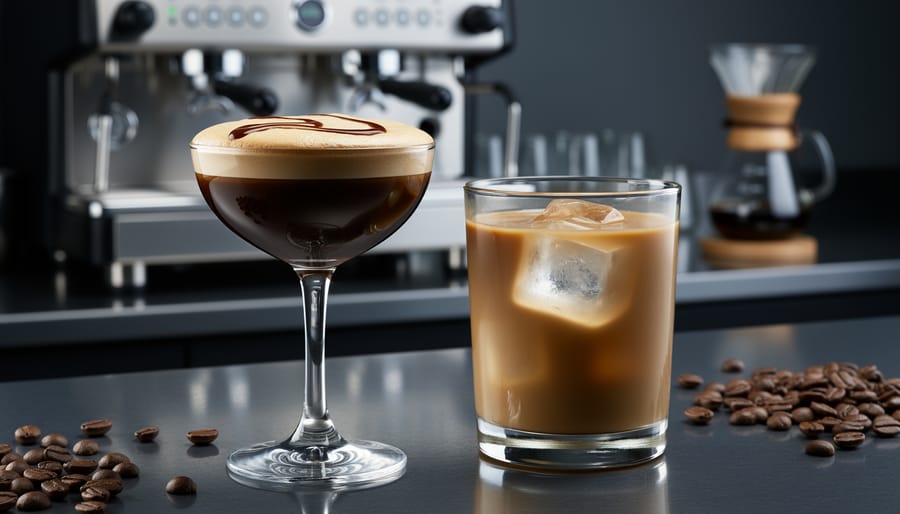
If you’re after a refined evening sipper that showcases coffee’s complexity, filter coffee cocktails edge out the classic espresso martini for sheer versatility and nuanced flavor. The reason is simple: lighter extraction methods reveal delicate tasting notes that vodka can amplify rather than bury, giving bartenders and home enthusiasts a broader canvas to work with. That said, the espresso martini remains unbeatable when you need a bold, energizing hit that doubles as dessert.
The coffee cocktail landscape has shifted dramatically over the past few years. Espresso martinis dominated bar menus since their 1980s inception, but 2026 has brought a wave of filter coffee-based alternatives that treat coffee more like wine than fuel. Third-wave coffee culture pushed bartenders to rethink their approach, swapping out rushed espresso shots for carefully brewed cold brew, pour-over, and even Japanese iced coffee. The result is a spectrum of drinks that range from bright and fruity to rich and chocolatey, each one tailored to the bean’s origin and roast profile.
Understanding which style suits your palate or venue comes down to a few key factors: intensity preference, occasion, ingredient availability, and how much you care about showcasing single-origin beans. We’ve consulted with specialty coffee roasters and award-winning mixologists to break down exactly when each approach shines. Whether you’re stocking a cocktail bar or experimenting at home, knowing the practical differences between these categories will save you from ordering the wrong drink or wasting premium beans on mismatched preparations. Discover more coffee culture insights at naami.com.au.
At a Glance: Espresso Martinis vs. Filter Coffee Cocktails
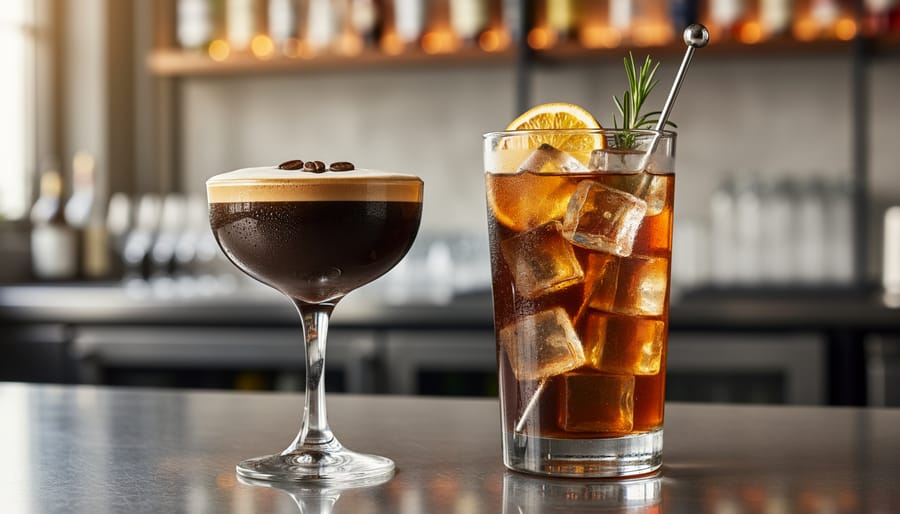
Here’s a snapshot of how these two coffee cocktail styles compare across the elements that matter most when you’re choosing what to make or order:
| Feature | Espresso Martini | Filter Coffee Cocktail |
|---|---|---|
| Preparation | Freshly pulled espresso, hard shake with ice to create foam | Pre-brewed cold brew or pour-over, gentle stir or build |
| Flavor Profile | Bold, sweet, creamy with coffee liqueur richness | Lighter, nuanced, showcases coffee origin and terroir |
| Typical Alcohol Base | Vodka with coffee liqueur (Kahlúa, Mr Black) | Whiskey, rum, amaro, or vermouth |
| Presentation | Coupe or martini glass, signature foam top, three-bean garnish | Rocks glass over ice, highball, or minimalist stemware |
| Best Occasions | After-dinner, dessert replacement, late-night energizer | Brunch, daytime sipping, warm-weather refreshment |
The espresso martini leans into intensity and theater. It demands equipment and technique but delivers immediate visual and sensory impact. Filter coffee cocktails take the opposite approach, prioritizing subtlety and flexibility. They work with whatever spirit complements the coffee you’ve chosen, and they don’t require specialized bar skills or machinery beyond basic brewing capability.
Think of espresso martinis as the cocktail equivalent of a double shot, designed to wake you up and satisfy a sweet tooth simultaneously. Filter coffee cocktails are more like a well-crafted iced coffee that happens to include alcohol, meant for leisurely enjoyment rather than a jolt. Both have their moments, and understanding these fundamental differences helps you pick the right one for your palate, your bar setup, and the occasion at hand.
What Each Cocktail Style Brings to the Bar
The Espresso Martini: Bold, Frothy, and Unapologetically Energizing
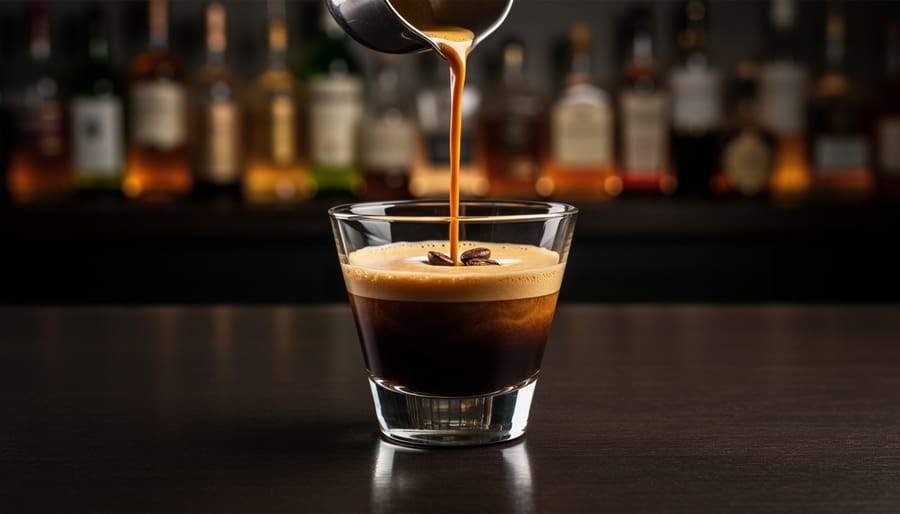
The espresso martini uses vodka coffee liqueur, and a freshly pulled shot of espresso, shaken hard over ice until a luxurious foam crowns the surface. That foam isn’t decorative. It’s structural, the result of vigorous agitation that emulsifies oils from the espresso and creates a velvety, almost mousse-like texture. Three coffee beans placed atop the foam serve as the classic garnish, representing health, wealth, and happiness.
This drink leans sweet and bold. The coffee liqueur, typically Kahlúa or Mr Black, adds sugar and depth, while the vodka provides a clean, neutral alcohol base that doesn’t compete with the espresso. The result is a dessert cocktail that tastes like liquid tiramisu with a caffeine kick. It’s rich, indulgent, and undeniably energizing, a combination that made it a phenomenon in the 1980s and has kept it on menus ever since.
Timing matters with an espresso martini. The shot must be fresh, pulled just before shaking. Stale espresso loses its crema and aromatic punch, leaving the cocktail flat and bitter. The shake itself requires commitment, fifteen to twenty seconds of hard, sustained effort to build that signature foam. Serve it immediately in a chilled coupe or martini glass.
This cocktail owns the late evening. It’s a pick-me-up before heading out, a dessert replacement after dinner, or a bridge between a meal and dancing. The high caffeine content and moderate alcohol strength (typically around 20% ABV) deliver both stimulation and social lubrication. It’s unabashedly intense, designed for moments when subtlety isn’t the goal.
Filter Coffee Cocktails: Nuanced, Refreshing, and Ingredient-Forward
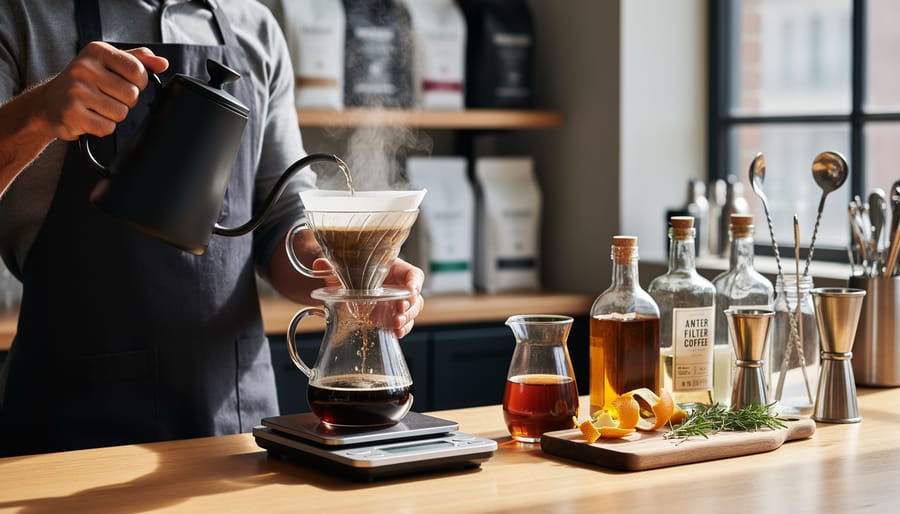
Filter coffee cocktails represent a quieter revolution, one that swaps the espresso martini’s intensity for subtlety, terroir, and a spirit-forward approach. Built on cold brew, pour-over, or batch brew coffee rather than espresso, these drinks showcase what happens when you treat coffee as a mixer with its own distinct flavor profile instead of a jolt of caffeine wrapped in foam.
The difference starts with the coffee itself. French press cold brew Japanese iced coffee, or even room-temperature filter brews bring a lighter body and cleaner acidity than espresso. You taste individual notes, stone fruit from an Ethiopian Yirgacheffe, caramel from a Colombian, chocolate from a Sumatran, rather than the concentrated roast character of a shot. This opens the door to more creative spirit pairings: aged rum echoes coffee’s sweetness, rye whiskey plays off its bitterness, and amaro adds herbal complexity without fighting for dominance.
Preparation leans ingredient-forward. A typical filter coffee cocktail might combine two ounces of cold brew, an ounce and a half of bourbon, half an ounce of demerara syrup, and a few dashes of chocolate bitters, stirred, not shaken, and served over a large ice cube. The goal isn’t foam or theatre; it’s balance and clarity. The coffee becomes a foundational flavor, not the star demanding attention.
This approach suits a different mood and moment. Filter coffee cocktails work at brunch, on a warm afternoon, or as a sessionable option that won’t overwhelm. They’re for drinkers who want to taste the coffee’s origin story and the bartender’s restraint in equal measure.
How They Stack Up: Dimension-by-Dimension Comparison

Flavor Profile and Complexity
The espresso martini hits you immediately, a concentrated punch of roasted coffee bitterness softened by coffee liqueur’s sweetness and vodka’s neutral burn. That velvety foam adds textural richness, while the drink’s overall profile leans sweet and dessert-like, masking coffee’s sharper edges. You’re tasting espresso’s intensity, not its origin story. The flavors are bold, front-loaded, and consistent drink to drink.
Filter coffee cocktails take the opposite approach. Whether built on cold brew, pour-over, or batch-brewed coffee, they showcase the bean’s actual character, fruity Ethiopian notes, chocolatey Colombian depth, or nutty Brazilian smoothness. The lighter body lets you taste the coffee itself alongside complementary spirits: whiskey’s caramel, rum’s molasses, or amaro’s herbal bitterness. Sweetness is dialed back, sometimes skipped entirely, creating a drier, more grown-up sip. These drinks reward attention, revealing layered flavors rather than announcing themselves in one bold stroke. If espresso martinis are exclamation points, filter cocktails are thoughtful paragraphs.
Preparation Method and Bar Workflow
The espresso martini demands more from your bar setup and workflow. You need a working espresso machine, which means equipment investment, maintenance, and the skill to pull consistent shots under pressure. Each drink requires freshly brewed espresso, you can’t batch it ahead without sacrificing that signature crema-topped foam. The shaking itself is a workout: 15-20 seconds of hard, vigorous shaking to emulsify the coffee and create that essential foam layer. During a rush, this becomes physically demanding and time-consuming.
Filter coffee cocktails streamline the process considerably. Brew a batch of cold brew or filter coffee in the morning, store it refrigerated, and you’re set for service. Most recipes simply build in the glass or require a gentle stir, no marathon shaking sessions. This means faster ticket times, less physical strain, and the ability to prep components in advance. A single barista can turn out filter cocktails at twice the speed of espresso martinis.
The trade-off? Espresso martinis deliver theatre and that Instagram-worthy presentation, while filter cocktails prioritize efficiency and consistency across high volume.
Ingredient Flexibility and Creativity
The espresso martini runs on a tight formula: vodka, coffee liqueur (usually Kahlúa or Mr Black), fresh espresso, simple syrup. You can swap vanilla vodka for plain, add a splash of cream, or dust the foam with cocoa, but the drink’s identity stays put. Stray too far and you’re making something else entirely.
Filter coffee cocktails operate in wide-open territory. Start with cold brew or a washed Ethiopian pour-over, pair it with bourbon, aged rum, or mezcal, sweeten with maple syrup or honey, add cardamom bitters or orange peel, and you’ve got a completely different drink each time. The coffee itself becomes a variable, light roast brings acidity and fruit notes, dark roast delivers chocolate and caramel. Bartenders can build around coffee origin the way sommeliers think about wine regions.
This flexibility makes filter cocktails ideal for seasonal menus and experimentation. Espresso martinis deliver consistency and immediate recognition, you know what you’re getting. Filter cocktails reward curiosity and let the coffee tell its own story.
Presentation and Visual Appeal
The espresso martini arrives with theatrical flair, that signature dense foam crown topped with three coffee beans creates an unmistakable silhouette in a chilled coupe or martini glass. The rich, dark liquid beneath the beige crema screams sophistication and indulgence. It’s Instagram gold, frankly, and guests recognize it instantly from across the bar.
Filter coffee cocktails take a quieter approach. Served over large ice cubes in rocks glasses or tall Collins styles, they showcase the coffee’s clarity rather than hiding it under foam. Some bartenders layer components for visual intrigue, amber whiskey settling beneath cold brew, or a float of cream creating soft gradients. Garnishes lean minimal: a twist of orange peel, a sprig of rosemary, maybe edible flowers. The aesthetic says “craft and restraint” rather than “showstopper,” appealing to drinkers who appreciate subtlety and want to see what they’re drinking.
Caffeine and Alcohol Impact
Both cocktails deliver caffeine, but the intensity differs. An espresso martini typically packs 60-80mg of caffeine from a double shot, hitting your system rapidly alongside 1.5-2 ounces of spirits. That combination creates a noticeable energy surge paired with alcohol’s effects, great for late-night momentum, but it can mask intoxication and disrupt sleep if consumed too close to bedtime.
Filter coffee cocktails offer more control. Using cold brew or iced coffee, you can dial caffeine up or down depending on dilution and serving size. Most contain 40-100mg of caffeine, released more gradually. The lighter coffee base also allows for lower alcohol ratios (1-1.5 oz spirits) without compromising flavor, making them easier to session through brunch or afternoon gatherings. If you’re caffeine-sensitive or prefer moderation, filter cocktails let you sip without the jolt.
Seasonal and Occasion Suitability
Espresso martinis shine at dinner parties and late-night gatherings, especially during fall and winter when their rich, warming profile feels right. They’re natural dessert replacements after dinner service.
Filter coffee cocktails excel at daytime events, brunch, poolside gatherings, summer patios. Their lighter body and refreshing quality make them sessionable choices when guests want multiple drinks without overwhelming sweetness or alcohol intensity.
Who Should Choose Which Cocktail Style?
For Home Bartenders and Coffee Enthusiasts
If you already own an espresso machine, the espresso martini becomes a natural extension of your home coffee ritual, you’re simply adding vodka and coffee liqueur to a shot you’d pull anyway. The technique requires practice to achieve that signature foam, but once you’ve nailed the vigorous shake, you’ll impress guests with minimal extra equipment beyond a cocktail shaker and strainer.
Filter coffee cocktails suit home bartenders without espresso machines or those who prefer batch preparation. Cold brew concentrates let you pre-make the coffee element days ahead, storing it in the fridge until you’re ready to mix. This approach removes time pressure during entertaining and works beautifully if you’re already experimenting with coffee pairing at dinner parties, simply adjust the spirit and sweetness to complement your menu.
Consider your personal coffee preferences too. If you drink lattes and cappuccinos daily, you’ll likely enjoy the espresso martini’s creamy intensity. Pour-over devotees who appreciate single-origin nuances will find filter cocktails showcase those same subtleties while keeping the coffee in its familiar form.
For Cafés, Restaurants, and Bars
Venues weighing these cocktail styles should start by auditing their current capabilities and clientele. If you already run a quality espresso program and employ bartenders comfortable with shaking technique, espresso martinis slot in naturally, they’re high-margin, Instagram-friendly, and appeal to after-dinner crowds seeking dessert alternatives. They shine in evening-focused bars, wine bars adding cocktails, and restaurants with robust dinner service.
Filter coffee cocktails demand less specialized equipment but benefit from advance prep, batching cold brew or pour-over concentrate streamlines service during busy shifts. They excel in daytime settings: brunch menus, café-bar hybrids, and summer patios. If your crowd skews younger or health-conscious, filter-based drinks offer lower perceived intensity and better sessionability.
Consider your peak hours. Espresso martinis slow down high-volume bars (each requires fresh espresso and vigorous shaking), while pre-batched filter cocktails scale easily. Many successful venues run both, positioning espresso martinis as signature evening drinks and filter options for daytime or lighter occasions. Test one style first, gauge guest response, then expand strategically rather than overloading your menu immediately.
For Different Occasions and Tastes
Match the cocktail to the moment. Espresso martinis excel at dinner parties, late-night celebrations, and as dessert replacements, their richness and caffeine boost make them natural after-dinner choices, especially during cooler months when guests appreciate warming, indulgent flavors. They satisfy sweet-toothed drinkers who want a full-bodied experience.
Filter coffee cocktails shine at brunch, daytime gatherings, and summer occasions when lighter, refreshing drinks feel appropriate. Their sessionability suits longer events where guests want multiple rounds without heaviness. Pair them with breakfast pastries or light fare. They appeal to drinkers who prefer dry, spirit-forward profiles and appreciate coffee’s origin characteristics over sweetness. If your guest asks for something “not too sweet,” reach for filter cocktails every time.
Insider Tips from Coffee and Cocktail Experts
I asked three coffee directors and a bartender who’s judged international cocktail competitions what separates excellent coffee cocktails from mediocre ones. Here’s what actually matters.
“The single biggest mistake is using stale coffee,” says Marcus Chen, beverage director at a Seattle cocktail bar known for its coffee program. “Espresso oxidizes within minutes. If you’re making espresso martinis, pull the shot fresh for every drink. For filter cocktails, brew your cold brew or batch brew daily, not weekly.”
For espresso martinis specifically, the shaking technique determines whether you get that signature foam collar. “Shake hard and long, at least 15 seconds with plenty of ice,” explains bartender Sofia Ramirez. “The foam comes from vigorous agitation breaking down the coffee oils and crema, not from additives. Weak shaking gives you a flat, disappointing drink.”
Coffee selection follows different logic for each style. Espresso martinis can handle darker, chocolatey roasts that cut through the sweetness of coffee liqueur. Filter coffee cocktails shine with lighter, origin-forward beans where you can taste the terroir. “We use Ethiopian natural process coffees in our filter cocktails,” Chen notes. “The blueberry and stone fruit notes play beautifully with aged rum.”
On the equipment front, super-automatic machines can work for high-volume espresso martini service, but manual espresso gives you more control over extraction and crema quality.
The emerging trend both experts mention? Clarified coffee cocktails using milk-washing techniques to create transparent, silky-textured drinks that look nothing like traditional coffee cocktails but deliver remarkable clarity of flavor. “It’s labor-intensive but stunning,” Ramirez says. “Guests can’t believe they’re drinking coffee.”
What Each Option Is
Before diving into how these cocktails compare, let’s clarify what we’re actually talking about.
An espresso martini is a shaken cocktail built on freshly brewed espresso, typically a single or double shot, mixed with vodka and coffee liqueur (like Kahlúa or Mr. Black). The vigorous shake creates a signature foam layer on top, and the drink is served straight up in a chilled coupe or martini glass. It’s rich, sweet, and delivers an immediate caffeine jolt alongside the alcohol. You’ll need access to one of the best espresso makers or a quality espresso machine to pull proper shots for this style.
Filter coffee cocktailsby contrast, use coffee brewed through methods like pour-over, cold brew, or batch drip. These drinks pair the coffee with a wider range of spirits, whiskey, rum, amaro, or even gin, and often include modifiers like vermouth, bitters, or simple syrups. They’re typically served over ice in a rocks glass or highball, showcasing the coffee’s origin characteristics and lighter body. The preparation is simpler: no espresso machine required, just pre-brewed coffee and standard bar tools.
Common Questions About Coffee Cocktails
Can I make an espresso martini without an espresso machine?
Yes, use a strong moka pot brew, concentrated AeroPress coffee, or even quality instant espresso dissolved in hot water and cooled. The key is achieving bold, concentrated coffee that won’t get diluted when shaken with ice.
What coffee beans work best for filter coffee cocktails?
Choose single-origin beans with distinct flavor notes that complement your spirits, fruity Ethiopian coffees pair beautifully with rum, while chocolatey Brazilian or Colombian beans suit whiskey-based drinks. Brew them as cold brew or pour-over to highlight those characteristics.
How long do batched coffee cocktails stay fresh?
Pre-batched filter coffee cocktails keep refrigerated for 3-5 days if the coffee component is fresh. Espresso martini batches lose their foam-forming potential after a few hours, so they’re best mixed fresh to order.
Can I make a low-alcohol coffee cocktail?
Absolutely. Use less spirit and substitute part of the alcohol with flavored syrups, tonic water, or sparkling water for filter cocktails. For a lighter espresso martini, reduce the vodka by half and add a splash of your homemade coffee creamer for body.
Beyond these common questions, experimentation is your best teacher. Don’t dismiss unconventional approaches, some bartenders even incorporate microwave coffee into their workflow for quick reheating of cold brew concentrate. The beauty of coffee cocktails lies in their adaptability: once you understand the foundational balance between coffee strength, spirit choice, and sweetness level, you can adjust ratios to match your taste preferences and the ingredients you have on hand. Start with classic recipes, then tweak the coffee-to-spirit ratio, experiment with different sweeteners, or try swapping vodka for aged rum in your next espresso martini.
Whether you lean toward the velvety intensity of an espresso martini or the nuanced refreshment of a filter coffee cocktail, both styles represent coffee’s remarkable versatility beyond the cup. There’s no single “right” answer, just the right drink for your moment, mood, and setting.
If you’re drawn to bold, dessert-like satisfaction and the theatrical appeal of a foam-topped classic, the espresso martini delivers reliably. It’s the confident choice for evening service, special occasions, and guests who want their coffee and cocktail to make a statement together. Meanwhile, filter coffee cocktails open doors to subtlety and creativity, perfect when you want sessionability, ingredient exploration, or a drink that complements rather than dominates a meal.
The criteria we’ve explored, flavor profile, preparation workflow, ingredient flexibility, visual presentation, caffeine impact, and seasonal fit, give you a practical framework for choosing. But the real discovery happens when you make (or order) both styles and taste the difference firsthand. Pay attention to how each one makes you feel, how it pairs with food, and which contexts bring out its best qualities.
Coffee’s role in cocktail culture continues expanding, with bartenders and home enthusiasts pushing both categories in exciting directions. Experiment with different coffee origins, spirit pairings, and serving styles. Your personal preference might shift with the seasons, the company you’re keeping, or simply what you’re in the mood to create. That’s the beauty of having both options at your disposal.