
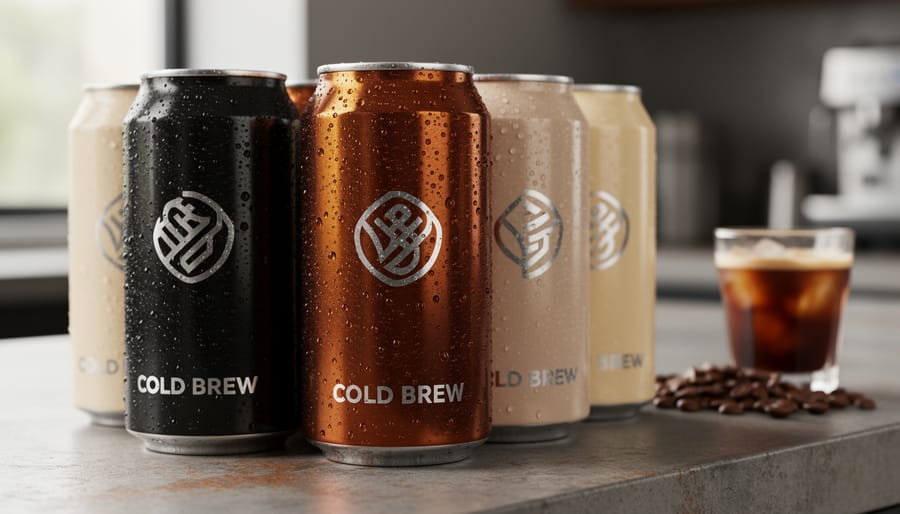
The best canned cold brew in 2026 delivers smooth, concentrated coffee without bitterness, typically packs 160-320mg of caffeine per can, and costs between $2.50 to $4.00 per serving depending on the brand and format you choose. After testing dozens of options and speaking with roasters who’ve perfected the craft, we’ve found that the right choice hinges on three factors: caffeine strength, flavor profile (whether you want straight black or creamy lattes), and price per ounce.
The ready-to-drink cold brew market has exploded beyond the basic black coffee cans you might remember from a few years back. Today’s shelves stock everything from nitro-infused varieties that pour like draft beer to oat milk lattes and single-origin showcases. Bare Brew pushes the upper limit with 320mg of natural caffeine in their 12oz cans, while options like Starbucks Cold Brew sit at a more moderate 165mg per 11oz can, and La Colombe’s popular line delivers 180mg per serving. Wandering Bear has carved out a niche with their Cold Brew Latte at $39.99 for a 12-pack, available at Whole Foods and direct from their site.
This guide cuts through the marketing claims to show you exactly what separates mediocre canned cold brew from exceptional ones, which products deliver the best value for different drinking styles, and the common purchasing mistakes that waste money.
What Makes Canned Cold Brew Different
Cold brew coffee gets its smooth, naturally sweet character from steeping coarsely ground beans in cold or room-temperature water for 12 to 24 hours. This slow extraction pulls fewer acidic compounds and bitter oils than hot brewing methods, which is why cold brew tastes mellower and less astringent. When you make cold brew at home, you control the beans and steeping time, but canning that same brew locks in those flavors at peak freshness and makes it shelf-stable for months without refrigeration until opened.
Cans offer distinct advantages over bottles. The aluminum blocks all light and oxygen, preventing flavor degradation that can happen with clear or tinted plastic bottles. Cans also chill faster, they’re lighter to carry, and they stack efficiently in your bag or fridge. Compare that to glass bottles, which are heavier and more fragile, or plastic containers that can absorb odors over time.
The difference from iced coffee is fundamental. Iced coffee is brewed hot and then cooled, which means it carries the sharper acidity and sometimes metallic notes that heat extraction creates. Cold brew skips that harshness entirely. Home-brewed cold brew gives you full control over bean selection and concentration, but it requires planning ahead, storage space, and cleanup. Canned versions sacrifice some customization for instant availability and guaranteed consistency, batch after batch. You don’t need to wonder if today’s concentrate turned out right or whether you remembered to start a fresh batch last night.
Key Factors to Consider When Choosing Canned Cold Brew
Caffeine Content and Strength
Canned cold brew varies dramatically in caffeine content, and understanding these differences is crucial before you crack open a can. A single serving can range from a moderate boost to an intense jolt, depending on the brand and size you choose.
| Brand | Can Size | Caffeine per Can | Caffeine per Oz |
|---|---|---|---|
| Bare Brew | 12 oz | 320 mg | 26.7 mg |
| La Colombe | 9 oz | 180 mg | 20 mg |
| Starbucks | 11 oz | 165 mg | 15 mg |
| BLK & Bold | 8 oz | 160 mg | 20 mg |
The numbers tell an important story. Bare Brew’s 320mg in a 12-ounce can delivers twice the caffeine of many competitors, making it a serious choice for those who need maximum energy. Meanwhile, Starbucks offers a more moderate 165mg per 11-ounce can, suitable for casual drinkers or those sensitive to caffeine.
Pay attention to serving size when comparing options. An 8-ounce can with 160mg packs more punch per ounce than a larger can with similar total caffeine. This matters if you typically drink the entire can in one sitting versus sipping throughout the day. Understanding the biology of coffee and how your body processes caffeine helps you make smarter choices about which strength works for your tolerance and daily routine.
Flavor Profiles and Add-Ins
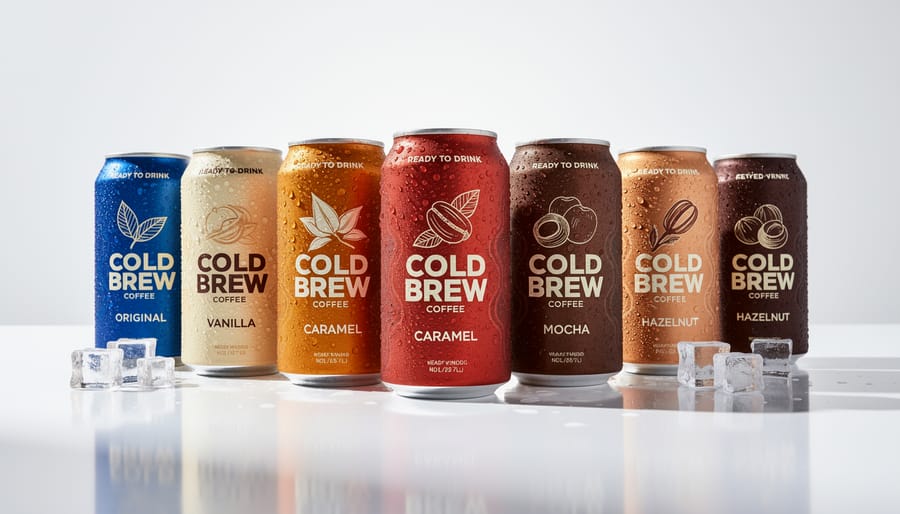
Canned cold brew runs the full spectrum from pure black coffee to dessert-like lattes, and understanding this range helps you avoid ending up with a flavor you didn’t expect. Straight black cold brew delivers concentrated coffee flavor without sweeteners, milk, or additives, ideal if you want to control your own add-ins or appreciate coffee’s natural notes. At the other end, you’ll find ready-to-drink lattes blended with dairy or plant-based milk (oat, almond, coconut), which offer a smoother, creamier experience straight from the can. Many brands also produce flavored varieties, vanilla, mocha, caramel, that include sweeteners to create a coffeehouse-style drink.
Reading labels is crucial. Check the ingredients list for added sugars (cane sugar, syrups, sweeteners) and note the grams per serving, especially if you’re watching sugar intake. A sweetened latte can contain 15-20 grams of sugar, while black options have zero. For dairy-free drinkers, verify whether the coffee creamer used is coconut, oat, or almond-based. If you prefer customizing your coffee at home, stick with unsweetened black cold brew and add your own milk, sweetener, or flavorings. If convenience matters most, pre-mixed lattes and flavored options save preparation time while delivering a complete drink experience.
Price and Value
Canned cold brew pricing varies widely, but understanding cost per serving helps you spot genuine value. Wandering Bear Cold Brew Latte runs $39.99 for twelve 8-ounce cans, about $3.33 per can, or roughly $0.42 per ounce. Compare that to your local coffee shop, where a similar-sized cold brew latte easily costs $4.50 to $6.00, and the convenience makes sense.
When evaluating price, look beyond the sticker. Calculate cost per ounce by dividing the total price by total volume, then consider caffeine content. A $3.50 can with 320mg of caffeine delivers more value for serious caffeine needs than a $2.50 can with only 160mg. Similarly, an 8-ounce can at $2.50 costs more per ounce than a 12-ounce can at $3.75.
Premium pricing is justified when you’re getting higher-quality beans, organic certifications, ethical sourcing, or specialty processing like nitrogen infusion. Single-origin cold brews from specialty roasters command higher prices because of superior beans and small-batch production. Buying multipacks or subscribing often drops the per-can cost by 15-25%, making premium options more accessible.
Can Size and Portability
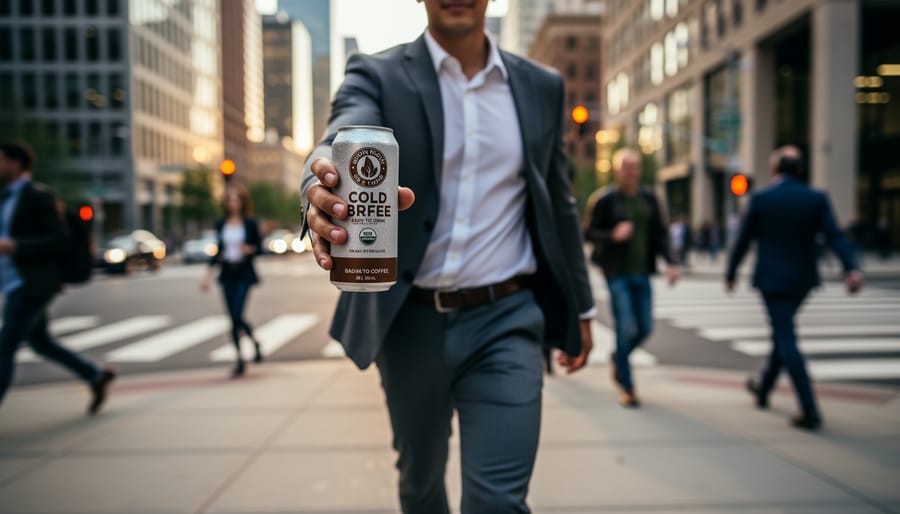
Canned cold brew comes in three main sizes, each serving different lifestyle needs. The compact 8oz format, like those from Wandering Bear and BLK & Bold, fits easily in gym bags and purses, delivering 160mg of caffeine in a quick-drinking portion that won’t go flat before you finish. The 11oz size, used by Starbucks for their 165mg canned cold brew, strikes a middle ground for desk sipping without requiring refrigeration mid-drink. The larger 12oz cans, such as Bare Brew’s 320mg powerhouse, provide the most caffeine per container but demand more commitment and bag space.
Your ideal size depends on consumption habits. Commuters benefit from 8oz cans that finish before the train ride ends. Gym-goers appreciate the same compact format for a pre-workout boost without bathroom urgency mid-session. Office workers often prefer 11-12oz sizes that last through morning emails. For travel, smaller cans mean carrying multiple options without weight penalties, while larger formats reduce per-ounce costs if you’re certain you’ll drink the full serving.
Bean Origin and Quality
Bean origin matters more than most drinkers realize. Single-origin canned cold brews highlight coffee from one region, Ethiopia, Colombia, or Guatemala, for example, delivering distinct flavor notes tied to that area’s soil and climate. These typically cost more but offer complexity: floral Ethiopian beans taste entirely different from nutty Brazilian ones. Blends combine beans from multiple origins to create balanced, consistent flavor profiles that work well for everyday drinking.
Look for labels mentioning organic certification (USDA Organic means no synthetic pesticides) and Fair Trade designation, which guarantees farmers received fair wages. These aren’t just marketing, they signal both quality control and ethical sourcing. Some brands list the specific farm or cooperative on the can, a strong indicator they’re invested in transparency and traceable supply chains.
When choosing, ask yourself: Do you want to explore distinct regional characteristics, or do you prefer reliable, balanced flavor? Single-origin suits adventurous palates willing to pay $4-5 per can; blends deliver consistent taste at lower price points while still offering quality coffee.
Types of Canned Cold Brew Compared
Straight Black Cold Brew
Straight black cold brew delivers coffee in its purest form, no sugar, no milk, no flavoring to mask the beans. These cans contain only cold-brewed coffee and water, making them ideal if you want to taste the actual coffee or customize your drink at home. You can sip it straight for a bold, smooth caffeine hit, pour it over ice with your preferred sweetener, or add your own milk and flavorings to match exactly what you’re craving that day.
The caffeine content in unsweetened options varies significantly. Bare Brew packs 320mg into a 12oz can, serious fuel for long workdays, while La Colombe delivers 180mg per can, and Starbucks offers 165mg in an 11oz format. Check the label to match the strength to your tolerance and schedule.
Look for cans that list coffee origin on the label. Single-origin black cold brew showcases distinct flavor notes, Ethiopian beans might taste fruity and floral, while Colombian varieties lean chocolatey and nutty. These subtleties get buried in sweetened versions but shine through in straight black options. If you care about coffee quality beyond just caffeine delivery, this category gives you the clearest window into what you’re actually drinking.
Cold Brew Lattes and Creamers
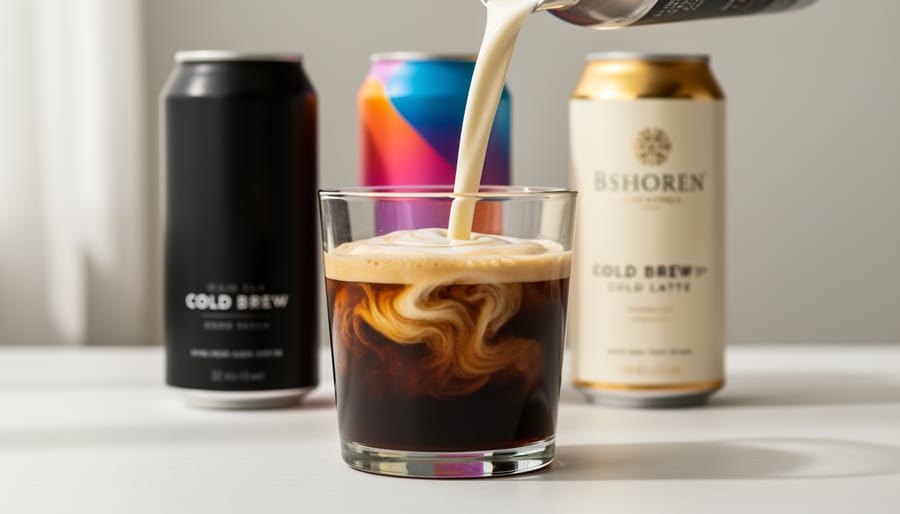
Cold brew lattes and creamers offer the ultimate grab-and-go convenience for anyone who loves a mellow, ready-to-drink coffee without the bitterness of straight black brew. These pre-mixed options blend cold brew concentrate with dairy milk or plant-based alternatives like oat, almond, or coconut milk, creating a smooth, balanced flavor that requires zero prep work. Wandering Bear Cold Brew Latte exemplifies this category, at $39.99 for twelve 8-ounce cans, it delivers a creamy latte experience you can drink straight from the can, available nationwide at Whole Foods and online.
The advantage here is consistency: every can tastes the same, with the milk already proportioned to soften the coffee’s edge. You’ll find varieties ranging from unsweetened versions (letting the natural sweetness of milk shine) to lightly sweetened options with vanilla or honey. Plant-based versions cater to vegans and those avoiding dairy, though texture and sweetness vary by milk type, oat milk tends to be creamier, while almond can be thinner. Check the label for added sugars and caffeine content, which is often lower than black cold brew due to dilution with milk.
Nitro and Specialty Infusions
Nitro cold brew stands out for its theatrical presentation and silky mouthfeel. When you crack open a nitro can, nitrogen gas creates a cascading effect as tiny bubbles rise to the surface, producing a dense, foamy head similar to draft beer. This infusion transforms the texture, nitro cold brew feels creamy and smooth on your palate even without any added dairy, making it an excellent choice if you want a luxurious black coffee experience that’s still dairy-free.
Beyond nitro, you’ll find specialty infusions that push creative boundaries. Some brands experiment with cold brew steeped with botanicals like lavender or cardamom, while others incorporate fruit essences or spices for unexpected flavor dimensions. These specialty cans often come at a premium price point, but they offer something genuinely different from standard cold brew, a more artisanal, craft-focused coffee experience that can introduce you to flavor combinations you might not attempt at home.
Sweetened and Flavored Options
Sweetened and flavored canned cold brews transform your coffee break into a treat. You’ll find options ranging from classic vanilla and mocha to seasonal specialties like pumpkin spice or salted caramel. These varieties typically contain added sugars, anywhere from 10 to 25 grams per can, so check the nutrition label if you’re monitoring intake.
The appeal is obvious: grab-and-go indulgence without visiting a coffee shop. Most flavored cans lean toward latte-style preparations, combining cold brew with milk (dairy or plant-based) and sweeteners to balance the coffee’s natural bitterness. Some brands use real vanilla extract or cocoa, while others rely on natural or artificial flavorings.
What separates a good flavored cold brew from a syrupy disappointment? Look for options where you can still taste the coffee beneath the additions. The best versions complement rather than mask the cold brew’s smoothness. If you prefer lighter sweetness, start with vanilla, it’s the most versatile and tends to be less cloying than chocolate or caramel varieties.
Our Top Recommendations for Different Needs
Best for Maximum Caffeine
If you need a serious caffeine kick, Bare Brew stands out with 320mg of natural caffeine packed into each 12oz can, nearly double what most competitors offer. That’s more than La Colombe’s 180mg and significantly higher than Starbucks’ 165mg per 11oz can, making it ideal for early mornings, long workdays, or pre-workout fuel. Just know that this much caffeine in one serving isn’t for everyone: if you’re sensitive to caffeine or new to cold brew, start with a smaller portion to gauge your tolerance. For experienced coffee drinkers who’ve built up their caffeine baseline and want maximum energy without brewing at home, these high-octane cans deliver.
Best for Smooth, Ready-to-Drink Lattes
If you crave the indulgence of a latte but dread the morning prep, Wandering Bear Cold Brew Latte delivers coffeehouse quality straight from the can. At $39.99 for twelve 8-ounce cans (about $3.33 each), it’s available online at Wandering Bear and at Whole Foods nationwide, making it accessible for your daily routine.
These lattes blend smooth cold brew with real dairy or oat milk, creating a balanced creaminess that rivals what you’d get at a café. The beauty lies in the consistency, each can tastes identical, eliminating the guesswork of ratios you face when mixing your own. Just shake, crack it open, and you’re set.
Look for options that list real milk or quality plant-based alternatives as the second ingredient, not corn syrup or artificial creamers. The best ready-to-drink lattes strike a middle ground: enough sweetness to complement the coffee without masking it entirely. For those who enjoy exploring other creamy café drinks at home, experimenting with a matcha latte can offer a similar ritual with different flavors.
Best for Everyday Value
For budget-conscious cold brew fans, buying in bulk slashes per-can costs significantly. Brands like Wandering Bear offer 12-packs at $39.99 ($3.33 per can), which beats convenience store pricing by a dollar or more per serving. Look for multi-pack deals on Amazon or directly from brand websites, where subscriptions often knock an additional 10-15% off.
Compare price per ounce rather than sticker price, an 11oz can at $3.50 costs less per ounce than an 8oz can at $3. Warehouse clubs stock popular brands at lower per-unit prices, though selection skews toward larger, mainstream names. Signing up for a brand’s subscription service not only cuts costs but ensures you never run out during busy weeks when a coffee shop visit feels like an expensive hassle.
Best for Coffee Purists
For those who want to taste the coffee itself without distractions, seek out unsweetened, single-origin black cold brew cans with minimal ingredients. The label should list only coffee and water, nothing else. Look for brands that specify the bean origin (Ethiopian, Colombian, or other single-source coffees) and roast profile, as this transparency signals quality and craft. These options let you appreciate the natural sweetness, acidity, and complexity that cold brewing extracts from premium beans. They’re also the most versatile: drink them straight over ice, cut with water to your preferred strength, or add your own milk and sweetener. Expect to pay slightly more for this purity, but you’re paying for exceptional beans and a brewing process designed to highlight their character rather than mask it.
Common Mistakes to Avoid When Buying Canned Cold Brew
Even experienced coffee drinkers make avoidable mistakes when buying canned cold brew, and these missteps can lead to jitters, wasted cash, or drinks that sit untouched in the fridge.
The biggest error is ignoring caffeine content and assuming all cans deliver the same kick. As we’ve seen, caffeine levels vary wildly, from 160mg in an 8-ounce BLK & Bold can to 320mg in Bare Brew’s 12-ounce format. Downing two high-caffeine cans without checking the label can leave you shaky and anxious, especially if you’re sensitive to stimulants or drink coffee later in the day.
Here are the most common pitfalls to watch for:
- Not checking expiration dates, particularly when buying discounted multi-packs or from smaller retailers with slower turnover
- Assuming all cans are the same size, an 8-ounce can and a 12-ounce can may look similar but deliver vastly different caffeine doses
- Overlooking sugar content in flavored or latte varieties, which can pack 15-25 grams of added sugar per can
- Buying without reading reviews or trying a single can first, then getting stuck with a 12-pack you dislike
- Ignoring storage requirements, some cans need refrigeration while others are shelf-stable until opened
Another mistake is falling for premium pricing without understanding what you’re paying for. A $4 can isn’t necessarily better than a $3 option if the only difference is packaging design rather than bean quality or sourcing practices. Read the ingredient list and origin information before assuming higher cost equals superior taste.
Finally, don’t buy canned cold brew as a direct replacement for your carefully dialed-in home brew setup. These are different products serving different needs. Canned cold brew excels at convenience and consistency, not at replicating your favorite single-origin beans ground fresh and steeped for 18 hours in your kitchen.
What to Look For
When shopping for canned cold brew, prioritize these four essential factors to ensure you’re getting exactly what you need. First, check the caffeine content clearly listed on the label, it varies dramatically between brands, from BLK & Bold’s 160mg per 8-ounce serving to Bare Brew’s intense 320mg per 12oz can. Match this to your personal tolerance and when you’ll drink it; a morning commute can handle higher doses than an afternoon pick-me-up.
Second, examine the ingredient list carefully. Look for minimal, recognizable ingredients, ideally just cold brew coffee and water for black options, or coffee, milk, and natural sweeteners for lattes. Avoid products with artificial flavors, excessive added sugars, or ingredients you can’t pronounce. If you heat coffee or prefer it cold depends on your routine, but canned cold brew works best straight from the fridge.
Third, calculate the true cost per ounce, not just the per-can price. An 8-ounce can at three dollars is more expensive than a 12-ounce can at four dollars. Finally, verify the roast date or freshness indicator when possible, fresher cold brew delivers better flavor and aroma, even in sealed cans.
Frequently Asked Questions
Canned cold brew raises several practical questions, especially for first-time buyers navigating caffeine levels, storage requirements, and how these products compare to what they’re used to drinking.
How long does canned cold brew last, and does it need refrigeration?
Unopened cans typically last 6-12 months when stored in a cool, dark place, no refrigeration needed before opening. Once you crack the seal, treat it like any refrigerated beverage: consume within 24-48 hours for optimal freshness and store it chilled.
How does caffeine in canned cold brew compare to regular coffee?
Canned cold brew often packs more caffeine than traditional hot coffee. A 12oz can of Bare Brew delivers 320mg of caffeine, while an 11oz Starbucks Cold Brew can contains 165mg, both substantially more concentrated than typical 8oz hot coffee, which averages 95mg.
Can you heat canned cold brew?
You can heat canned cold brew, though it changes the intended flavor profile designed for cold consumption. If you want a warm coffee fix, gently heat it on the stove or in the microwave, but expect a slightly different taste than the smooth, low-acid character cold brewing creates.
Is canned cold brew healthier than other coffee drinks?
Black canned cold brew contains zero calories, sugar, or additives, making it healthier than sugary coffeehouse drinks. Sweetened or latte-style canned options vary widely, check labels for added sugars, dairy, and calorie content to match your dietary preferences.
The best way to find your ideal flavor is through trial. Start with smaller multipacks or single cans from different brands rather than committing to bulk orders. Try a pure black option first to understand the baseline coffee flavor, then experiment with lattes, flavored varieties, or nitro infusions. Your caffeine tolerance and taste preferences for sweetness, creaminess, and coffee intensity will guide you toward the cans you’ll reach for daily. Many specialty retailers and coffee shops carry curated selections that let you sample before investing in larger quantities.
Finding the perfect canned cold brew comes down to knowing what matters most to you. If you need a serious caffeine kick to power through your day, look for options like Bare Brew with 320mg per can. Prefer something smooth and creamy? A ready-to-drink latte saves you time without sacrificing flavor. Budget-conscious? Calculate the cost per ounce and consider bulk purchases to maximize value without settling for subpar coffee.
The beauty of today’s canned cold brew market is the sheer variety available. Don’t be afraid to try different brands, caffeine levels, and flavor profiles until you discover your go-to option. What works for your morning commute might differ from your afternoon pick-me-up, and that’s perfectly fine.
Whether you’re grabbing a can from your fridge at 6 a.m. or stashing one in your gym bag, the right canned cold brew fits seamlessly into your routine. You’re not compromising on quality for convenience, you’re getting both. Start experimenting, trust your taste buds, and enjoy the coffee you deserve without the hassle.